
We have all been there. You wake up, look in the mirror, and a weary stranger stares back. Your eyes look heavy, the skin underneath is tinged with a stubborn violet hue, and there is a puffiness that no amount of splashing cold water seems to fix. Tired eyes aren’t just a sign of a lack of sleep or a late night; they are a message from your body about your environment, your habits, and your skin’s health.
The good news is that you don’t have to accept “looking tired” as your permanent aesthetic. Whether you have an important meeting in twenty minutes or you’re looking to overhaul your long-term skincare routine, this guide will walk you through the immediate rescues and the lifestyle shifts needed to reclaim a bright, rested gaze.
Understanding the “Why” Behind Tired Eyes
Before we reach for the concealer or the cucumber slices, we need to play detective. Not all “tired eyes” are created equal, and treating the wrong symptom won’t get you the results you want.
The Difference Between Puffiness, Dark Circles, and Fatigue
Think of your eye area as a delicate ecosystem. Puffiness is usually a fluid management issue. When your body retains water or your lymph nodes aren’t draining efficiently, fluid pools in the loose tissue under the eyes, creating prominent eye bags.
Dark circles, on the other hand, are often about transparency. The skin under your eyes is the thinnest on your body. If you are dehydrated or aging, your skin thins further, making the dark blood vessels underneath more visible. This creates that blue or purple “bruised” look.
Finally, eye fatigue is a muscular issue. When you stare at a screen for eight hours, the tiny muscles that control your focus become overworked and inflamed, leading to redness and a heavy-lidded appearance.
Identifying Your Specific Triggers
To fix the problem, you must find the source. If your eyes are puffy only in the morning, it’s likely your sleeping position or a high-sodium dinner. If they are chronically dark, genetics or allergies might be the culprit. If they burn and feel “gritty” by 3:00 PM, digital eye strain is the smoking gun. Pay attention to the timing of your symptoms; it’s the key to choosing the right remedy.
The 10-Minute Rescue: Immediate Fixes for Right Now
When you’re staring at the clock and need to look alive fast, these four methods are your best friends.
The Magic of Temperature: Cold Compresses and Spoons
Cold is a natural vasoconstrictor. It tells your blood vessels to tighten and your fluid to move along. Put two metal spoons in the freezer for five minutes, then press the curved backs against your closed eyelids. The intense chill acts like a “reset” button for inflammation. If spoons feel too aggressive, a washcloth soaked in ice water works wonders; just ensure you apply light pressure to encourage fluid movement.
Tea Bags: Using Caffeine and Tannins to De-puff
Don’t throw away your morning Earl Grey or Green Tea bags. Steep them, let them cool in the fridge, and place them over your eyes for five minutes. The caffeine in the tea constricts the blood vessels to reduce redness, while the tannins (natural astringents) tighten the skin tissue. It’s like a double espresso for your face.
The Art of the Instant Massage: Lymphatic Drainage Basics
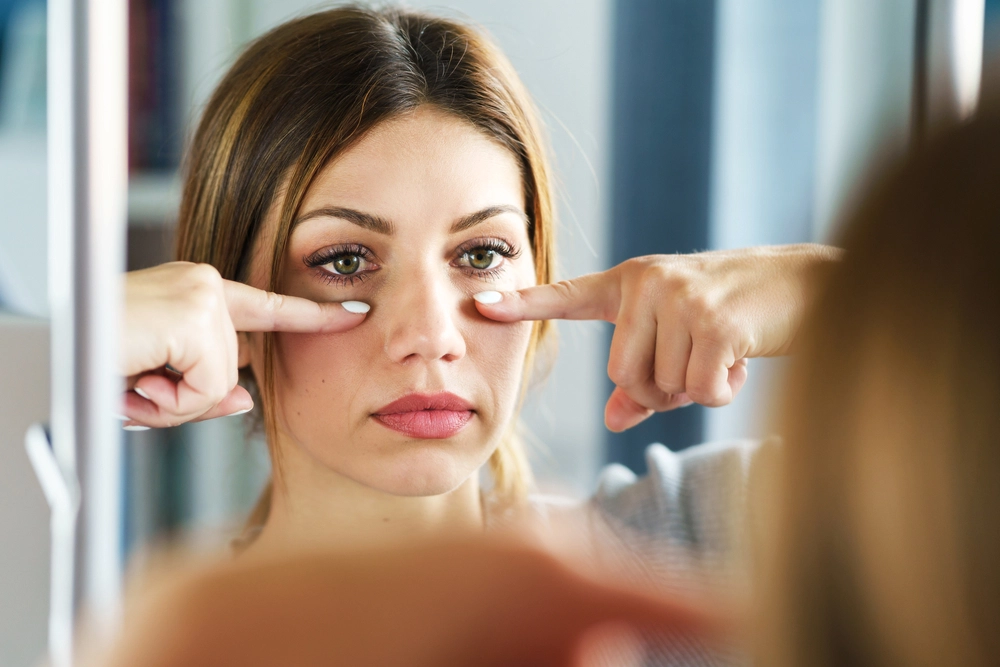
Sometimes, the fluid under your eyes just needs a gentle nudge. Using your ring finger (your weakest finger, which ensures you won’t pull the skin too hard), start at the inner corner of your eye. Use light, tapping motions, as if you’re playing a tiny piano, moving outward toward your temples. This stimulates the lymphatic system to drain the excess fluid away from the eye area and toward the lymph nodes in your neck.
Hydration From the Outside In: Eye Creams and Serums
For an instant, “plump,” look for serums containing hyaluronic acid or glycerin. These ingredients act like magnets for moisture, pulling water into the surface layers of the skin to fill in fine dehydration lines. Apply your cream to damp skin; this locks in the moisture and creates a smooth, reflective surface that bounces light away from dark shadows.
The Cosmetic Toolbox: Brightening Up with Makeup
Makeup shouldn’t be a mask; it should be a strategic tool to mimic the look of a full eight hours of sleep.
Colour Correcting 101: Neutralising Blue and Purple Tones
Standard concealer often turns ashy or grey when applied directly over dark circles. To fix this, use colour theory. Because peach and orange are opposite blue and purple on the colour wheel, they cancel each other out. Apply a tiny amount of peach-toned corrector only to the darkest areas before you touch your concealer. You’ll find you need much less product afterwards.
Concealing Without Caking: Technique Matters
The biggest mistake is applying a massive “triangle” of concealer. This excess product settles into fine lines, making you look older and more tired. Instead, apply a small dot at the inner corner (where the darkest shadow usually sits) and another dot at the outer corner (to lift the eye). Blend upward and outward with a damp sponge for a seamless, skin-like finish.
Strategic Highlighting to Open the Eyes
Avoid chunky glitter, but look for a champagne or soft pearl highlighter. A tiny dab on the inner “V” of the tear duct and just under the arch of the brow bone creates an optical illusion of brightness. It draws the observer’s eye away from the shadows and toward the light, making your eyes appear wider and more alert.
Natural Remedies and Kitchen Cures
Grandmother’s advice often holds a grain of scientific truth. If your kitchen is better stocked than your vanity, try these.
Cucumber Slices
Cucumbers are about 95% water and naturally very cold. But they also contain Vitamin C and caffeic acid, both of which help soothe skin irritation and reduce swelling. The physical weight of the slice also provides a gentle, uniform pressure that improves blood circulation and helps flatten puffiness.
The Anti-Inflammatory Power of Potato Slices
If you don’t have cucumbers, grab a potato. Potatoes contain an enzyme called catecholase, which is often used in skin-lightening products. Starch from the potato also has anti-inflammatory properties. Slice them thin, chill them, and let them sit on your dark circles for ten minutes to help brighten the area over time.
Aloe Vera and Rose Water
If your tired eyes are accompanied by redness or stinging, you need a soothing agent. Aloe vera is deeply hydrating and cooling, while rose water acts as a mild toner that can reduce redness. You can even freeze rose water into ice cubes and wrap them in a thin cloth for a luxurious, anti-inflammatory treatment.
Lifestyle Adjustments for Long-Term Brightness
If you find yourself constantly reaching for the cold spoons, it’s time to look at your daily habits. Permanent cures happen in your routine, not your makeup bag.
The Sleep Hygiene Audit: Quality Over Quantity
You can sleep for nine hours and still wake up with tired eyes if that sleep was restless. Try to keep your bedroom cool and pitch-black. More importantly, try sleeping on your back with an extra pillow. This use of gravity prevents fluid from pooling in your facial tissues overnight, ensuring you wake up “flat” rather than puffy.
Hydration Habits: Drinking Your Way to Clarity
When you are dehydrated, your body desperately clings to every drop of water it has, often storing it in the loose tissue under your eyes. By making an effort to stay hydrated and drinking enough water throughout the day, you signal to your body that it can release that stored fluid. Aim for consistent sipping rather than chugging a gallon at once.
Sodium, Alcohol, and Your Eyes: Managing Fluid Retention
That sushi dinner (high salt) or that extra glass of wine (dehydrating) is almost guaranteed to show up under your eyes the next morning. Alcohol also dilates blood vessels, making dark circles look more prominent. If you know you’re going to indulge, double your water intake and try to finish your last meal at least three hours before bed to give your body time to process the sodium.
Screen Time and the 20-20-20 Rule
Digital eye strain is a modern epidemic. We blink 60% less when looking at screens, which leads to dry eyes and makes them look dull and red. Follow the 20-20-20 rule: Every 20 minutes, look at something 20 feet away for at least 20 seconds. This allows the ciliary muscles in your eyes to relax, preventing that “heavy” feeling at the end of the day.
Advanced Skincare Ingredients to Look For
When you’re ready to invest in a dedicated eye cream, ignore the flashy packaging and look for these three powerhouses.
Retinol for Collagen Support
As we age, we lose collagen, making the skin under the eyes thinner and “crepey.” A specialised eye retinol (which is gentler than face retinol) stimulates collagen and elastin production, thickening the skin so that blood vessels are less visible. This is your long-term solution for genetic dark circles.
Vitamin C for Brightening and Protection
Vitamin C is a potent antioxidant. It helps fade hyperpigmentation caused by sun damage and protects the delicate skin from environmental pollution. It also gives the skin a subtle, immediate glow that mimics the look of being well-rested.
Hyaluronic Acid for Instant Plumping
Think of Hyaluronic Acid as a sponge. It can hold up to 1,000 times its weight in water. For tired eyes, it provides a “flash” effect, filling in fine lines and giving the under-eye area a bouncy, healthy texture that reflects light beautifully.
When to See a Professional
Sometimes, the “tired” look isn’t about sleep at all; it’s about biology.
Addressing Allergies and Sinus Issues
If your eyes are itchy, watery, and chronically puffy, you might have “allergic shiners.” Chronic sinus congestion causes the veins around your eyes to become congested and dark. In this case, an antihistamine or a nasal spray will do more for your appearance than any eye cream ever could.
Dermatological Treatments: Fillers, Lasers, and Peels
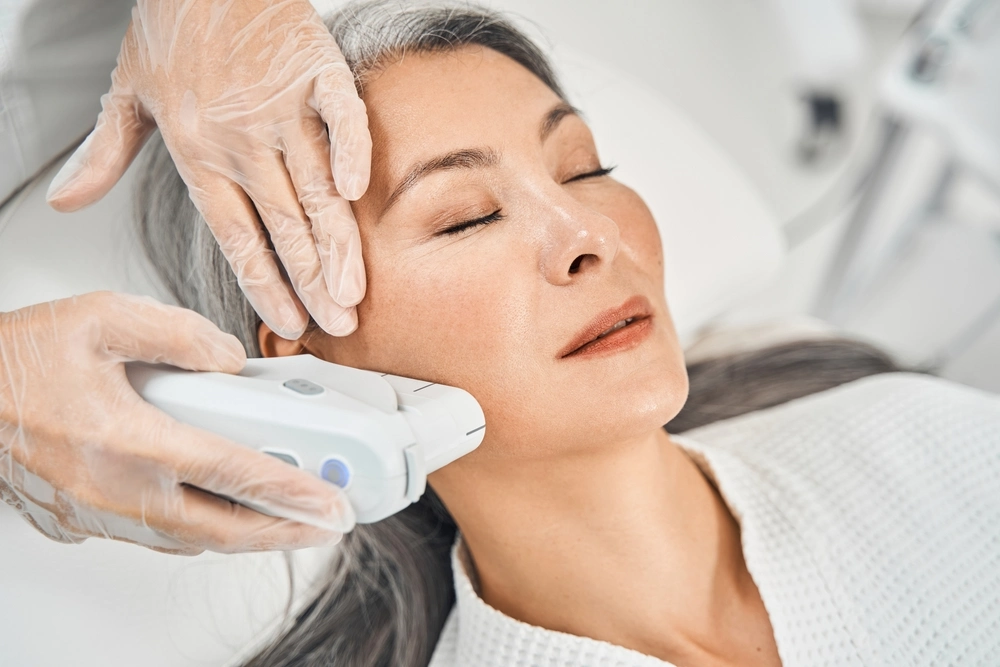
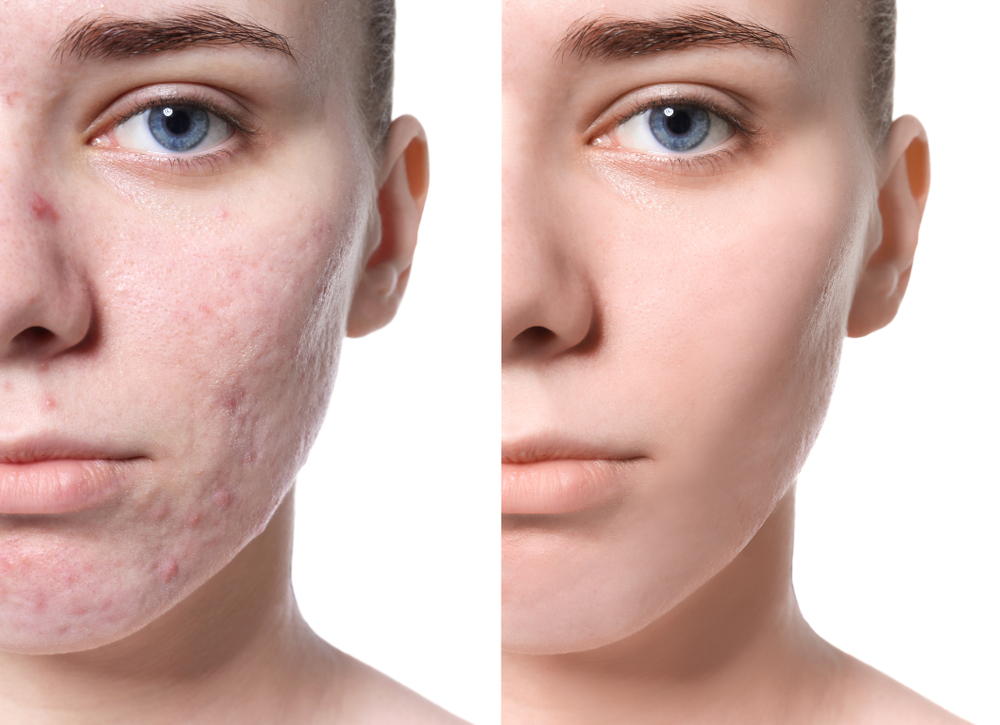
If your dark circles are caused by “hollowness” (a physical dip under the eye), topical creams won’t fix the shadow. A dermatologist can use hyaluronic acid fillers to bridge that gap. Alternatively, laser treatments can target pigment or broken capillaries, and chemical peels can resurface the thin skin to improve texture and tone.
Maintaining the Glow: Your Daily Morning and Evening Ritual
Consistency is the enemy of tired eyes.
In the morning, focus on protection and de-puffing. Use a cold-stored eye gel with caffeine and always, always apply SPF or a dedicated eye sunscreen. Excessive sun exposure thins your skin and darkens circles; protection is your first line of defence.
In the evening, focus on repair. Use a richer cream with retinol or peptides to rebuild the skin while you sleep. Take thirty seconds to do a quick manual massage to drain the day’s fluid buildup.
By combining these fast fixes with a few smart lifestyle shifts, you’ll find that the “stranger in the mirror” starts looking a lot more like your bright, energised self. You don’t need a miracle; you just need a plan.
Refresh Tired Eyes With Professional Skin Support
Knowing how to get rid of tired eyes starts with understanding the cause, whether it is puffiness, dark circles, dehydration, screen fatigue, skin thinning, or loss of firmness. While cold compresses, better sleep, hydration, and the right skincare ingredients can help improve the appearance of tired eyes, some concerns need a more targeted, professional approach.
At Lumi Skin Clinics, we offer personalised skin consultations and advanced aesthetic treatments designed to help brighten, firm, and refresh the delicate eye area. Our team can assess your concerns and recommend treatment options suited to your skin, goals, and comfort level.
Book a consultation with Lumi Skin Clinics today and take the next step toward brighter, fresher, more confident-looking eyes.