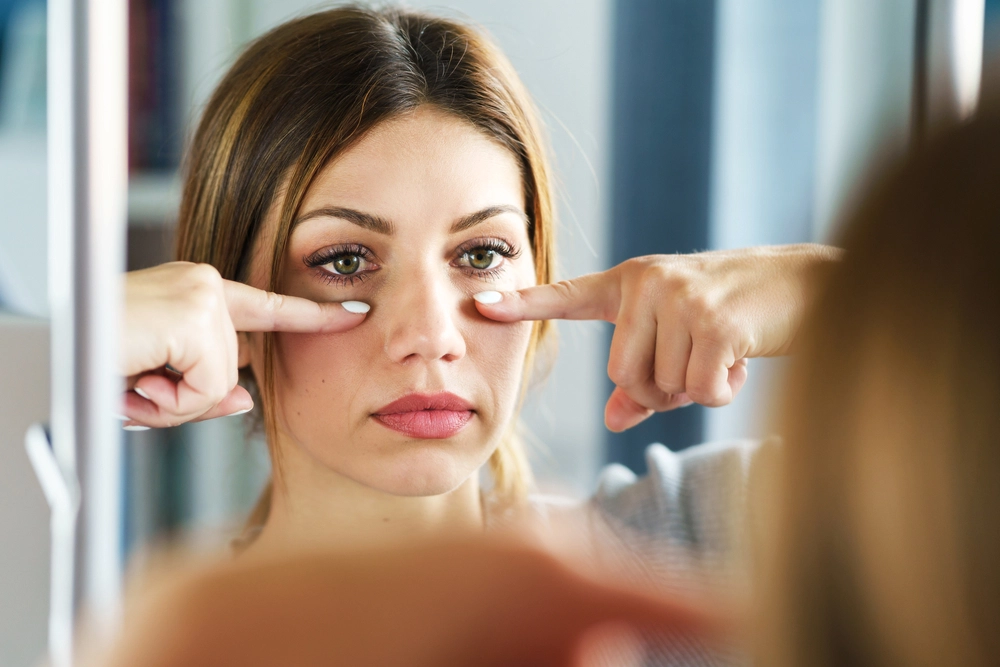
We’ve all had those mornings. You wake up, splash some water on your face, and look in the mirror only to see a pair of heavy, dark suitcases parked under your eyes. It’s frustrating because your face is telling a story of exhaustion that you might not actually feel.
While the beauty industry often treats “eye bags” as a single problem, the truth is that your under-eye area is a complex landscape of thin skin, delicate muscles, and fat pads. Getting rid of them isn’t about finding a magic wand; it’s about identifying exactly why they are there and applying the right tool for the job. Whether you need a quick fix for a big meeting or a long-term clinical solution, this guide will help you reclaim a refreshed, wide-awake look.
Understanding Why Your Eyes Look Tired
The first step in clearing up your complexion is knowing exactly what you’re fighting. Not all “tired eyes” are created equal, and treating the wrong symptom is the fastest way to waste money on expensive creams.
The difference between puffiness and permanent bags
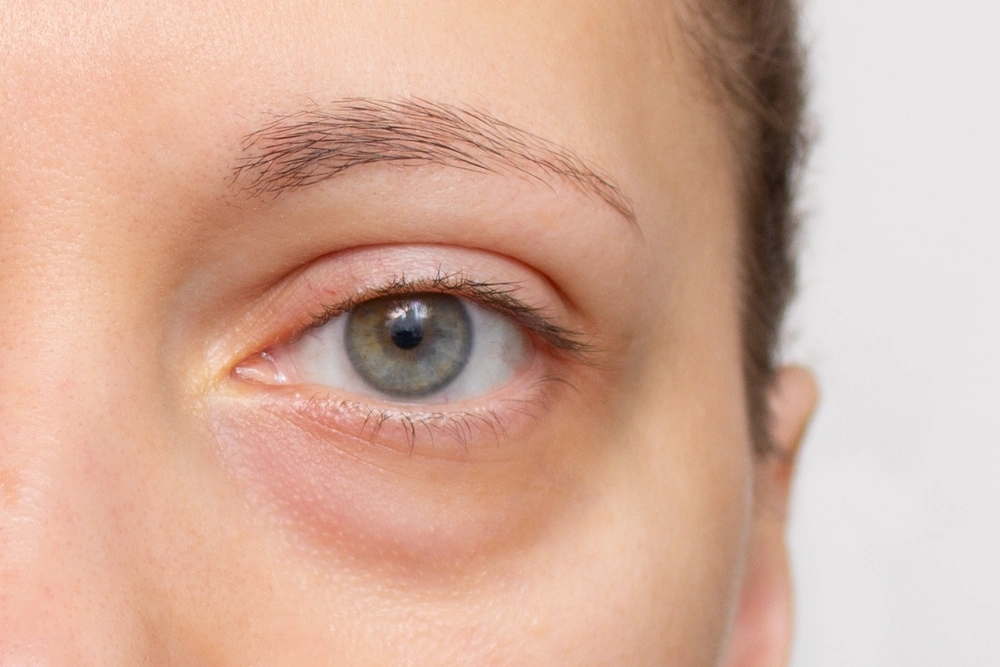
Think of eye puffiness like a temporary flood. It’s usually the result of fluid accumulation (edema) in the soft tissues around the eye, leading to puffy eyes. This is the “morning face” look that usually subsides after you’ve been upright for an hour and had some coffee. It’s transient and highly reactive to your environment.
Permanent bags, on the other hand, are more like a structural change in the building’s foundation. As we age, the tissues and muscles that support our eyelids weaken. The fat that is normally confined to the area around the eye (the orbit) can then move forward into the lower eyelids, creating a persistent bulge. If your bags are there 24/7 regardless of how much sleep you get, you’re likely dealing with structural bags rather than simple puffiness.
The Root Causes of Under-Eye Baggage
To fix the problem, we have to look under the hood. Most under-eye issues stem from a combination of three distinct factors: biology, behaviour, and chemistry.
Genetics and aging
Sometimes, your DNA holds the blueprint for your under-eye bags. If your parents had prominent lower lids early in life, you likely have a genetic predisposition for “fat herniation.” Furthermore, the skin under our eyes is the thinnest on the entire body. As we age, we lose collagen and elastin, the proteins that keep skin snappy and firm. As that skin thins, the underlying fat pads become more visible, and the “tear trough” (the groove between your cheek and lower eyelid) deepens, creating a shadow that looks like a dark circle.
Lifestyle factors you can control
While you can’t fight your DNA, you can certainly stop fueling the fire. Chronic lack of sleep causes your blood vessels to dilate, creating a dark, bluish tint under the eyes. Smoking is another major culprit; it chemically attacks the collagen in your skin, leading to premature sagging. Even your sleeping position matters; sleeping on your stomach or side allows gravity to pool fluid in your face.
The role of fluid retention
Have you ever noticed your eyes look worse after a sushi dinner or a night of cocktails? Sodium is a magnet for water. When you consume high levels of salt, your body holds onto fluid to maintain balance, and that fluid loves to settle in the loose skin under your eyes. Alcohol acts as a double-edged sword: it causes dehydration in the skin (making it look thin and crinkly) and triggers inflammatory swelling.
Immediate Home Remedies for Quick Results
If you have an event in two hours and need to look human, clinical treatments won’t help you. You need topical interventions that constrict vessels and move fluid.
1. The power of the cold compress
Cold is the ultimate anti-inflammatory. By applying something cold to the under-eye area, you cause the blood vessels to constrict (vasoconstriction), which rapidly reduces swelling. You don’t need a fancy gel mask, two chilled teaspoons or a bag of frozen peas wrapped in a paper towel for five minutes will do the trick.
2. Tea bags
Don’t throw away your morning Earl Grey. Steep two caffeinated tea bags, let them cool in the fridge, and place them over your closed eyes for about 10 minutes. The cool temperature may help reduce puffiness, while the caffeine and antioxidants in the tea may help constrict blood vessels and soothe the skin around the eyes. It’s a simple combination of cooling and topical ingredients that can provide temporary relief for tired-looking eyes.
3. Elevating your head during sleep
If you wake up puffy every day, gravity is your enemy. Try adding an extra pillow or slightly propping up the head of your mattress. By keeping your head above your heart, you prevent fluid from pooling in your face overnight, allowing it to drain naturally through your lymphatic system.
4. Hydration and salt management
It sounds counterintuitive, but drinking more water can help your body flush out excess sodium, which may contribute to temporary water retention. If you’ve overindulged in salty snacks, try drinking an extra 500 mL of water before bed. This can help your kidneys process the sodium and may reduce feelings of bloating or puffiness the next morning.
Skincare Ingredients That Actually Work
The skincare aisle is a minefield of marketing fluff. To see real changes in the texture and colour of your under-eye skin, look for these three science-backed heavy hitters.
Retinoids for collagen production
Retinol (a derivative of Vitamin B) is the gold standard for anti-aging. It works by speeding up cell turnover and stimulating the production of new collagen. Over time, a dedicated eye-safe retinoid can thicken the skin under the eyes, making the underlying blood vessels and fat pads less visible. Start slow, once every three nights, to avoid irritation.
Vitamin C for brightening and thickening
Vitamin C is a potent antioxidant that interferes with the production of pigment. If your “bags” are actually dark brown circles caused by hyperpigmentation (often from sun damage), Vitamin C will help brighten the area. Like retinol, it also aids in collagen synthesis, providing a structural boost to the skin.
Hyaluronic acid for plumping
Hyaluronic acid is a humectant, meaning it pulls moisture into the skin. When the under-eye area is dehydrated, it looks hollow and “crepey.” Applying a serum with hyaluronic acid acts like a temporary filler, pulling water into the surface layers of the skin to smooth out fine lines and give the eye a more rested, “plump” appearance.
Clinical Treatments and Dermatological Fixes
When home remedies hit a plateau, it’s time to consult a professional about clinical cosmetic procedures. These treatments move beyond the surface of the skin to address the underlying anatomy.
1. Chemical peels and laser resurfacing
If your primary concern is the quality of the skin, wrinkles, “crepiness,” or pigmentation, lasers or peels are the answer. Fractional CO2 lasers or glycolic acid peels create “controlled micro-injuries” that force the skin to regenerate. The result is tighter, smoother skin that holds its shape better.
2. Dermal fillers for the tear trough
For many people, the “bag” is actually an illusion created by a deep hollow (the tear trough) just below it. By injecting a hyaluronic acid filler (like Restylane or Juvederm) into that hollow, a dermatologist can level the playing field. This removes the shadow and creates a seamless transition from the lower lid to the cheek.
3. Microneedling for skin elasticity
Microneedling involves using tiny needles to create microscopic punctures in the skin. This triggers the body’s natural healing response, flooding the area with growth factors and new collagen. It’s an excellent middle-ground treatment for those who aren’t ready for surgery but need more than just a cream.
When to Consider Lower Blepharoplasty
There comes a point where the “bag” is simply a physical accumulation of fat that no cream or needle can dissolve. This is where surgery enters the conversation.
The surgical approach to permanent bags
A lower blepharoplasty is a surgical procedure where a surgeon removes or repositions the excess fat pads under the eye and, if necessary, trims away excess skin. It is the only “permanent” fix for structural eye bags. Modern techniques often involve an incision on the inside of the eyelid (transconjunctival), meaning there is no visible scarring.
Recovery and long-term expectations
Most patients require about 10 to 14 days of downtime for bruising and swelling to subside. While it won’t stop the aging process entirely, the results of a blepharoplasty are long-lasting, often a decade or more. It is a transformative procedure for those whose genetics have gifted them with heavy bags since their youth.
Preventative Habits for Clearer Eyes
The best way to treat eye bags is to prevent them from worsening. Consistency in your daily routine is more effective than any one-off treatment.
Sun protection and the “sunglasses rule”
The sun is the primary destroyer of collagen. Because the skin under your eyes is so thin, it’s the first to give way to UV damage. Wear a broad-spectrum SPF every day, and invest in a pair of high-quality, UV-rated sunglasses. If you aren’t squinting, you aren’t creating the repetitive muscle movements that lead to “crow’s feet” and sagging.
Allergy management
Chronic allergies are a leading cause of “allergic shiners.” Histamines cause blood vessels to swell and leak, while the physical act of rubbing itchy eyes causes inflammation and can even break tiny capillaries. Taking a daily antihistamine and avoiding your triggers can do more for your eyes than the most expensive serum on the market.
Quality sleep hygiene
It’s called “beauty sleep” for a reason. During deep sleep, your body goes into repair mode, balancing hormones and flushing toxins. Aim for 7–9 hours of quality rest. If you struggle to sleep, look into sleep hygiene: keep the room cool, avoid screens an hour before bed, and stick to a consistent wake-up time.
When to See a Doctor About Eye Swelling
While most eye bags are a cosmetic nuisance, some types of swelling warrant a medical consultation. If you notice that the swelling is only in one eye, is accompanied by pain, redness, or itching, or if it appears very suddenly, see a doctor. This could indicate an infection (like cellulitis), an allergic reaction, or even medical conditions like a thyroid disorder (Graves’ disease).
For everyone else, remember that your eyes are the most expressive part of your face. Taking care of them isn’t just about vanity; it’s about reflecting the energy and vitality you feel on the inside. Start with the basics: sleep, salt, and cold, and build your way up to the advanced fixes as needed. Your future, refreshed self will thank you.
Ready to Refresh Your Look?
If home remedies aren’t giving you the lasting results you want, it might be time to explore professional solutions. From targeted dermal fillers to advanced rejuvenation techniques, tailored treatments can restore youthfulness to your under-eye area safely and effectively. Explore Lumi Skin Clinics’ professional eye bag removal solutions today to book a consultation and take the first step toward waking up looking completely refreshed.