You’ve heard the buzz. “Freeze away your fat!” promises plastered across billboards and social media feeds. It sounds almost too good to be true, doesn’t it? In a world saturated with quick fixes and cosmetic promises, it’s only natural to question if fat freezing, or cryolipolysis, is a legitimate scientific breakthrough or just another fleeting trend. Let’s cut through the noise and get to the core of whether this popular procedure can actually deliver on its bold claims.
What Exactly is Fat Freezing (Cryolipolysis)?
Imagine a technology that could selectively target and eliminate those stubborn fat cells that just won’t budge, no matter how much you diet or exercise. That’s precisely the premise behind fat freezing. It’s a non-invasive cosmetic procedure designed to reduce localised fat deposits by exposing them to controlled cooling.
A Brief History and the Science Behind It
The genesis of cryolipolysis is quite fascinating, stemming from observations of children who developed dimples on their cheeks after eating popsicles, a condition aptly named “Popsicle panniculitis.” This led scientists Dieter Manstein, MD, and R. Rox Anderson, MD, at Harvard Medical School and Massachusetts General Hospital, to theorise that fat cells are more vulnerable to cold temperatures than the surrounding tissues.
They discovered that when fat cells are exposed to precisely controlled cold temperatures for a specific duration, they undergo a process called apoptosis, programmed cell death. Think of it like a natural, controlled self-destruct sequence. Once these fat cells die, your body’s lymphatic system, like an efficient clean-up crew, gradually processes and eliminates them over the following weeks and months. This isn’t about shrinking fat cells; it’s about permanently removing them from your body.
Does Fat Freezing Actually Work?
Now for the million-dollar question: does it really work? The short answer is yes, for the right candidate and under the right conditions. But it’s crucial to temper expectations with reality.
Understanding Realistic Expectations
Here’s where many people go wrong. Fat freezing isn’t a magic wand that makes you instantly thin. It’s a body contouring procedure, meaning it reshapes and refines specific areas. Expect subtle, natural-looking results, not dramatic fat loss or weight loss. Imagine sculpting a statue; you’re not removing huge chunks but rather refining the curves and lines. A typical treatment can reduce fat in the treatment area by about 20-25%. This might sound modest, but for those frustrating bulges, it can make a significant difference in how clothes fit and how you feel about your silhouette.
What the Research Says (and Doesn’t Say)
Numerous clinical studies and reviews have supported the efficacy and safety of cryolipolysis. The FDA has cleared several cryolipolysis devices for various body areas, including the abdomen, flanks (love handles), thighs, chin, upper arms, and back. Research consistently shows a measurable reduction in fat layer thickness in treated areas.
However, the research doesn’t claim it’s a solution for obesity or a substitute for a healthy lifestyle. It targets specific, pinchable pockets of fat. It also doesn’t immediately show results; the process of cellular elimination takes time, with optimal outcomes typically seen 2-3 months post-treatment. This is a journey, not an instant destination.
The Procedure: What to Expect During a Fat Freezing Session
Knowing what to expect can ease any anxieties and help you prepare for a smooth experience.
Before the Treatment: Consultation and Preparation
Your journey begins with a thorough consultation with a qualified practitioner to develop a personalised treatment plan. This isn’t just a sales pitch; it’s a critical step where they assess your medical history, discuss your aesthetic goals, and determine if you’re a suitable candidate. They’ll examine the areas you want to treat, pinching the fat to ensure there’s enough tissue for the applicator to grasp effectively. This is also your opportunity to ask every question swirling in your mind.
You’ll receive pre-treatment instructions, which usually involve staying well-hydrated and avoiding blood-thinning medications or supplements (like aspirin, ibuprofen, fish oil) a few days prior to minimise bruising.
During the Treatment: The Sensation and Process
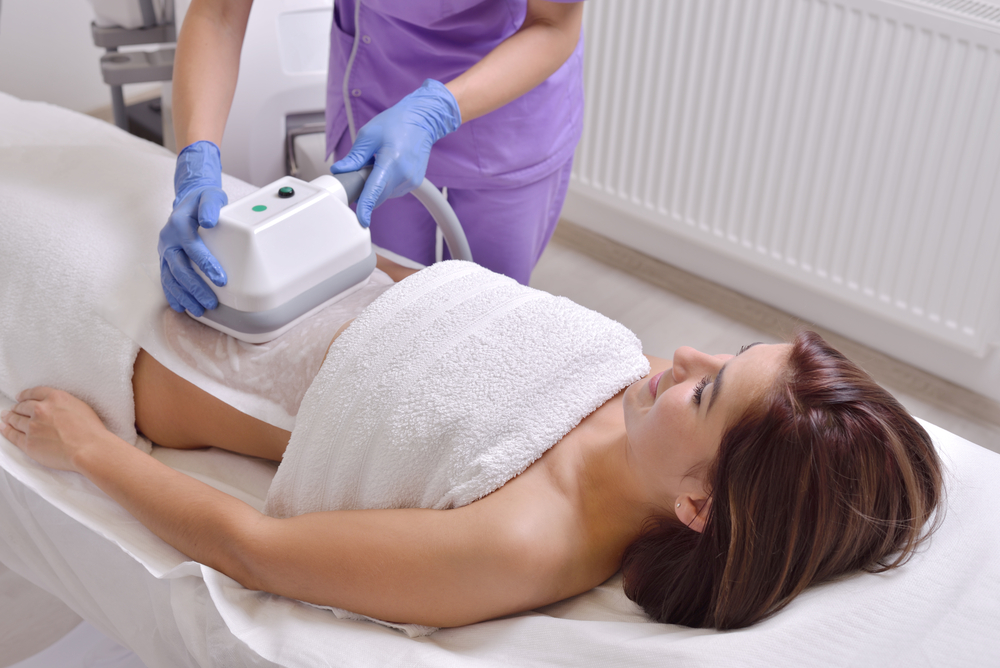
Once you’re comfortably situated, a gel pad is placed on the target area to protect your skin. Then, the applicator, which looks a bit like a large vacuum nozzle, is applied. It draws the fatty tissue between its cooling panels.
Here’s the sensation breakdown: Initially, you’ll feel a strong pulling, tugging, and pinching as the vacuum suctions the tissue. Then, the cold sets in. It’s an intense cold, often described as an icy chill or stinging sensation. This typically lasts for the first 5-10 minutes. After that, the area becomes numb, and the rest of the 35-60 minute treatment (depending on the area and applicator) is generally comfortable enough to read, work on a laptop, or even nap. Many patients compare it to having an ice pack applied for an extended period, uncomfortable at first, then numb.
After the Treatment: Recovery and Results Timeline
Immediately after the applicator is removed, the treated area will be cold, firm, and may appear red and somewhat swollen. Your practitioner will usually massage the area vigorously for a few minutes. This massage is crucial, as studies have shown it can significantly improve results by helping to break up the frozen fat cells.
Post-treatment, you can typically resume your normal activities immediately. There’s no downtime in the traditional sense. You might experience some temporary redness, bruising, swelling, tingling, numbness, or tenderness in the treated area for a few days to a couple of weeks. These are usually mild and resolve on their own.
Results aren’t instant. The body needs time to naturally process and eliminate the dead fat cells. You might start seeing subtle changes as early as 3 weeks, with the most dramatic results appearing 1-3 months after your treatment. Some people opt for a second treatment on the same area a few months later for the best results and further reduction.
Who is an Ideal Candidate for Fat Freezing?
It’s tempting to think everyone can benefit, but fat freezing isn’t for everyone. Understanding who makes an ideal candidate is key to successful outcomes.
It’s Not a Weight Loss Solution
Let’s be unequivocally clear: fat freezing is not a weight loss solution. If you’re looking to lose a significant amount of weight, cryolipolysis is not the answer. It’s designed for individuals who are at or close to their ideal body weight (typically within 10-20 pounds) but struggle with specific, localised pockets of fat that are resistant to diet and exercise.
Targeting Stubborn Pockets of Fat
The best candidates are those with “pinchable” fat, meaning you can grab a good handful of it. Common target areas include the love handles, abdomen, inner and outer thighs, submental fat (double chin), bra fat, and upper arm fat. If you’re generally fit and healthy but have these frustrating bulges that just won’t disappear, you might be an excellent candidate. It’s also important to have good skin elasticity, as the procedure doesn’t address loose skin.
Potential Side Effects and Risks
While generally safe, it’s important to be aware of potential side effects and, very rarely, more serious complications.
Common and Mild Side Effects
The most common side effects are usually temporary and resolve on their own within days or weeks. These include:
- Redness and Bruising: From the suction and cooling.
- Swelling and Tenderness: The treated area may feel puffy and sore.
- Numbness: The treated area can remain numb for several weeks.
- Tingling, Stinging, or Aching: These sensations can occur during and after the treatment.
- Skin Sensitivity: Increased sensitivity to touch in the treated area.
- Paradoxical Adipose Hyperplasia (PAH): This is a very rare but serious side effect where, instead of reducing, the treated fat cells grow and harden, forming an enlarged area of firm tissue. It’s more common in men and often requires surgical correction. While extremely rare (estimated at 1 in 4,000 treatments), it’s a risk worth knowing about.
Rare but Serious Complications
While cryolipolysis is considered safe for most, some rarer complications can occur:
- Nerve Pain: Temporary or, in very rare cases, prolonged nerve pain or neuropathy.
- Frostbite: If the device is not used correctly or a protective barrier is not in place, frostbite can occur. This is why choosing an experienced practitioner is paramount.
- Skin Depressions or Irregularities: Uneven fat reduction can lead to depressions or lumps in the treated area, although this is uncommon with skilled practitioners.
Comparing Fat Freezing to Other Fat Reduction Methods
Understanding where fat freezing fits into the landscape of body contouring options can help you make an informed choice.
Surgical Liposuction vs. Non-Invasive Fat Freezing
This is the classic comparison.
- Liposuction: A surgical procedure that physically removes fat cells through suction. It’s invasive, requires anaesthesia, involves incisions, and has significant downtime (weeks to months). However, it offers more dramatic and immediate results and can remove larger volumes of fat.
- Fat Freezing: Non-invasive, no anaesthesia, no incisions, minimal to no downtime. Results are gradual and less dramatic than liposuction, targeting smaller, localised fat pockets. It’s often preferred by those who want to avoid surgery.
Other Non-Surgical Options
The non-surgical body contouring market is growing, offering alternatives to cryolipolysis:
- Heat-Based Treatments (e.g., SculpSure, truSculpt iD): These devices use controlled heat (radiofrequency or laser energy) to destroy fat cells. Like fat freezing, they are non-invasive, have no downtime, and offer gradual results. The sensation is often described as a warming or heating.
- Laser-Based Treatments (e.g., CoolSculpting Elite’s CoolSculpting uses vacuum and cold, but other systems like SculpSure use laser): Some systems use laser energy to target fat cells, again relying on heat.
- Injectable Treatments (e.g., Kybella): Specifically for submental fat (double chin), these injections use deoxycholic acid to dissolve fat cells. They involve a series of injections and can cause significant swelling and bruising initially, with gradual results.
Each method has its pros and cons, suitability for different body areas, and patient comfort levels. Your practitioner can help you navigate these options.
How to Choose a Reputable Provider
This is arguably the most critical step. The efficacy and safety of your treatment largely depend on the skill and experience of your provider.
Questions to Ask Your Practitioner
Don’t be shy! Your health and aesthetic goals are at stake. Ask:
- Are you (and your staff) certified and specifically trained in cryolipolysis?
- How many cryolipolysis procedures have you performed?
- Which specific device do you use (e.g., CoolSculpting, Clatuu Alpha)?
- What are the potential side effects, and how do you manage them?
- Can I see before-and-after photos of your actual patients?
- What is your protocol if a complication arises?
- What are the total costs, including follow-up appointments?
Understanding Certifications and Experience
Look for clinics supervised by board-certified dermatologists or plastic surgeons, even if the treatment is performed by a nurse or aesthetician. Ensure the staff performing the procedure has specific, hands-on training and certification on the device being used. Experience matters, especially in ensuring proper applicator placement, which is crucial for even and natural-looking results. Avoid places offering heavily discounted treatments without verifying their credentials; sometimes, a low price indicates a lack of expertise or use of non-FDA-cleared devices.
The Bottom Line: Is Fat Freezing Worth It?
After dissecting the science, procedure, and risks, let’s bring it all together.
Cost vs. Benefit Analysis
Fat freezing isn’t cheap, with costs varying significantly based on the area treated, the number of cycles, and your geographic location. A single treatment cycle can range from a few hundred to over a thousand dollars, and multiple cycles are often needed for optimal results.
Consider the benefits: non-invasive, no downtime, permanent fat cell reduction, and natural-looking results. For those who are good candidates and have struggled with stubborn fat that impacts their confidence, the investment can be well worth it. It’s a trade-off between cost and the desire for a refined physique without surgery.
Making an Informed Decision for Your Body
Ultimately, the decision is personal. Fat freezing is a legitimate, FDA-cleared method for non-surgical fat reduction, backed by scientific evidence. It’s effective for targeting specific, stubborn fat pockets in individuals who are already close to their ideal weight. It’s not a magical cure for obesity, nor is it without potential side effects.
If you’re considering fat freezing, approach it with realistic expectations, thorough research, and a commitment to choosing a highly reputable and experienced provider. Arm yourself with knowledge, ask tough questions, and remember that body contouring is about enhancing your natural shape, not transforming you into someone else. If aligned with your goals and expectations, fat freezing can be a valuable tool in achieving the body confidence you seek.
Ready to refine those stubborn areas and see real, lasting results? At Lumi Skin Clinics, our body contouring treatments use advanced fat freezing technology to target and reduce unwanted fat. Book your free consultation today and let our experienced team create a personalised plan tailored to your body goals.