Ever found yourself staring in the mirror, scrutinising those tiny black dots on your nose, chin, or forehead? You’re not alone. Blackheads, those unwelcome guests, are a universal skin concern. While the nose is a common hot spot, they can appear anywhere. If you’ve been frustrated by DIY attempts or temporary fixes, it’s time to explore professional solutions that truly make a difference.
This guide will walk you through understanding blackheads, what not to do, and the most effective treatments available from skin professionals.
Understanding Blackheads: More Than Just a Black Dot
Let’s demystify these pesky spots. Blackheads aren’t just dirt trapped in your pores; there’s a bit more science behind them.
What are blackheads?
Imagine your skin as a vast landscape dotted with tiny openings; these are your pores. Each pore houses a hair follicle and a sebaceous gland, which produces an oily substance called sebum. Sebum is crucial for keeping your skin hydrated and protected. However, sometimes these pores get clogged. When sebum, dead skin cells, and bacteria combine and get trapped in a pore, they form a plug. If this plug is exposed to air, the melanin (skin pigment) in the mixture oxidises, turning it dark. Voilà, a blackhead, or what dermatologists call an open comedone. They’re called “open” because the pore’s surface remains open, exposing the plug to air. Whiteheads, on the other hand, are “closed” comedones, meaning the plug is completely covered by a layer of skin.
Why do blackheads appear?
Blackheads don’t just pop up randomly; there are several contributing factors. The primary culprits include excessive sebum production, often influenced by hormones (which is why teenagers are particularly prone to them). Imagine your sebaceous glands going into overdrive, like an oil factory working double shifts. Then, add in insufficient exfoliation, meaning dead skin cells aren’t shedding properly and are instead building up, acting like a dam in your pores.
Environmental factors, like high humidity or pollution, can also play a role, as can certain cosmetics that might be occlusive, effectively suffocating your pores. Even genetics can predispose some individuals to blackheads, making them an unavoidable part of their skin story without proper management.
The “Don’t-Do-This-At-Home” List: Methods to Avoid
Before we dive into what to do, let’s address some common at-home practices that, while tempting, often do more harm than good. Think of these as the road signs warning you of potential damage.
Why popping is a bad idea
We’ve all been there, staring at a blackhead, hand inching closer, the urge to squeeze becoming almost unbearable. Resist! Popping or squeezing blackheads at home is perhaps the most common and damaging mistake people make. When you apply pressure, especially with unsterile fingers or tools, you risk pushing the clogged material deeper into the pore, rupturing the follicle wall, and introducing bacteria. This can lead to inflammation, infection, post-inflammatory hyperpigmentation (those annoying dark spots that linger long after the blackhead is gone), and even scarring. It’s like trying to fix a leaky pipe with a hammer; you might temporarily stop the leak, but you’ll likely cause a bigger problem. Leave extractions to the professionals who have the right tools, techniques, and sterile environment.
Pore Strips
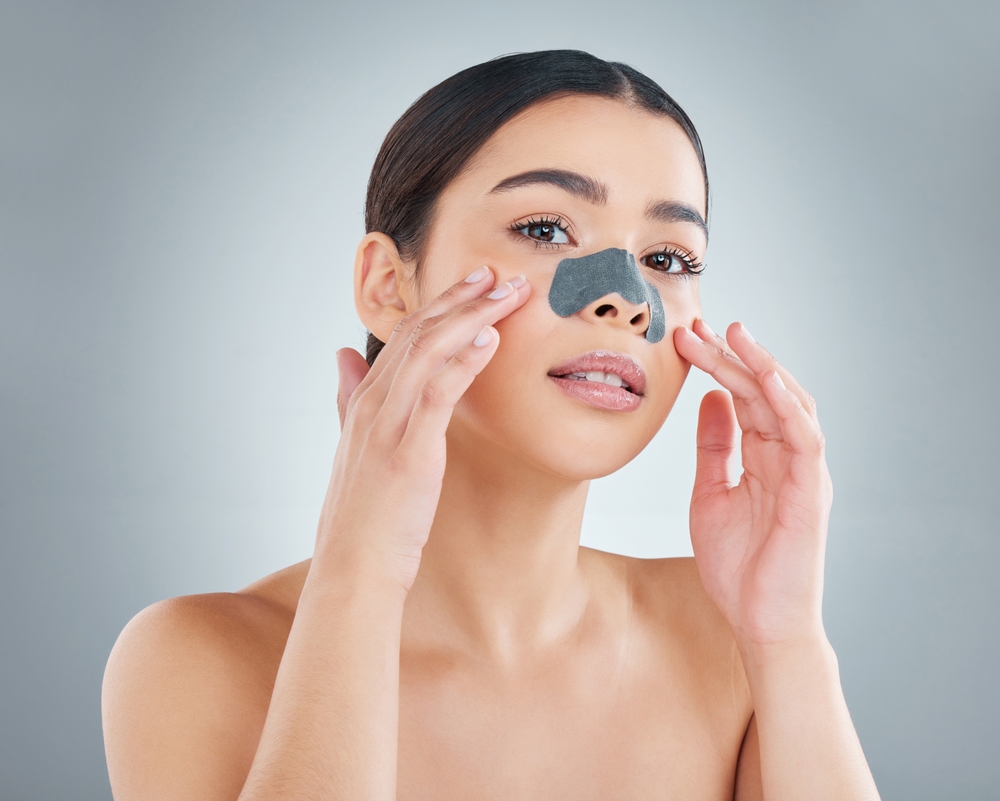
Pore strips seem like a magic solution: stick it on, peel it off, and marvel at the tiny forest of blackheads on the strip. While satisfying in the moment, pore strips are a classic temporary fix. They work by adhering to the oxidised sebum and dead skin cells, lifting them from the surface. However, they don’t address the root cause of blackhead formation.
Moreover, they can be quite harsh. The strong adhesive can strip away the skin’s natural oils, leading to dryness and irritation, especially for those with sensitive skin. Repeated use can also stretch pores, making them appear larger over time, and even damage delicate capillaries. It’s like pulling weeds without addressing the soil; they’ll just grow back, possibly stronger.
Aggressive Scrubbing
The logic seems sound: if blackheads are caused by clogged pores, surely scrubbing them away will help, right? Wrong. Aggressive scrubbing with harsh physical exfoliants or abrasive brushes is a recipe for disaster. While exfoliation is crucial, over-exfoliating or using products with jagged, uneven particles can create microscopic tears in the skin’s protective barrier.
This compromises your skin’s ability to defend itself, leading to increased sensitivity, redness, inflammation, and, ironically, can even stimulate more oil production as your skin tries to repair itself. Instead of “scrubbing away” blackheads, you’re essentially sandblasting your face, paving the way for more breakouts and irritation. Gentle exfoliation is key, and we’ll discuss how to do that effectively later.
Professional Treatments for Stubborn Blackheads
When home care just isn’t cutting it, or you’re dealing with stubborn, pervasive blackheads, it’s time to bring in the experts. These professional treatments offer more potent solutions to clear current blackheads and prevent new ones.
1. Manual Extraction by a Dermatologist or Esthetician
Imagine a skilled artisan meticulously clearing debris from a delicate mechanism; that’s what a professional extraction feels like for your pores. This is the gold standard for immediate blackhead removal. A trained dermatologist or licensed esthetician uses sterile tools, typically a metal comedone extractor, to gently apply pressure around the clogged pore, coaxing out the blackhead without damaging the surrounding skin. They understand the angle and pressure required to safely remove the plug.
Before extraction, your skin is usually prepped with steam or warm compresses to soften the sebum and open the pores. This ensures a smoother, less traumatic removal. The key here is the professional’s expertise: they know which blackheads are “ripe” for extraction and which should be left alone to prevent scarring. This isn’t a DIY job; the precision and sterility involved make it a safe and effective way to achieve instantly clearer skin. Think of it as a deep cleaning for your pores, performed by someone who knows exactly what they’re doing.
2. Chemical Peels
Chemical peels sound intimidating, but they are a fantastic tool for resurfacing the skin and tackling blackheads from a deeper level. These treatments involve applying a chemical solution, typically containing alpha hydroxy acids (AHAs) like glycolic or lactic acid, or beta hydroxy acids (BHAs) like salicylic acid, to the skin. The solution works by dissolving the “glue” that holds dead skin cells together, promoting exfoliation and cell turnover.
For blackheads, salicylic acid peels are particularly effective because salicylic acid is oil-soluble, meaning it can penetrate deeper into the pore lining, breaking down the sebum and dead skin cell mixture that forms blackheads. It helps to clear out existing blockages and prevent new ones from forming by keeping the pores free from debris. Peels can range from superficial (lunchtime peels with minimal downtime) to medium depth, depending on the concentration and type of acid used. The result is a smoother texture, reduced blackheads, and a more even skin tone. It’s like giving your skin a fresh start, allowing new, healthy cells to emerge.
3. Microdermabrasion and Dermaplaning
These two professional treatments offer powerful physical exfoliation, effectively sloughing off dead skin cells that contribute to blackhead formation.
- Microdermabrasion
Microdermabrasion uses a specialised device to gently abrade the surface of the skin. There are two main types: crystal microdermabrasion, which sprays fine crystals onto the skin and suctions them away along with dead skin cells, and diamond-tip microdermabrasion, which uses a diamond-tipped wand to exfoliate. By removing the top layer of dead skin cells, microdermabrasion helps to prevent pores from becoming clogged, allowing sebum to flow more freely. It also improves skin texture and can minimise the appearance of enlarged pores over time.
- Dermaplaning
Dermaplaning is a manual exfoliation technique where a trained professional uses a sterile, surgical-grade scalpel to gently scrape off the top layer of dead skin cells and vellus hair (peach fuzz). While primarily known for revealing brighter, smoother skin and enhancing product absorption by removing that layer of dead skin cells, dermaplaning indirectly helps to reduce the likelihood of blackheads forming, as there’s less debris to combine with sebum and clog pores. Both treatments are non-invasive and require little to no downtime, leaving your skin feeling incredibly soft and refreshed, like polished marble.
4. Laser and Light Therapy
When it comes to advanced blackhead treatment, laser and light therapies offer a sophisticated approach, especially for those with persistent issues or accompanying inflammation. While not typically a first-line treatment solely for blackheads, they can be highly effective, particularly when sebum overproduction is a significant factor.
IPL uses broad-spectrum light to target the sebaceous glands, helping to reduce their activity and, consequently, decrease sebum production. Less oil means fewer opportunities for pores to become clogged. IPL can also have an anti-inflammatory effect, which is beneficial if your blackheads are accompanied by redness or irritation.
- Non-ablative lasers
Non-ablative lasers can also be used to target the sebaceous glands, shrinking them and reducing oil output. These treatments work from within the skin, rather than just on the surface, offering a more long-term solution by addressing the very source of excess oil. These therapies are often chosen for their ability to improve overall skin tone and texture, in addition to their pore-clearing benefits, making them a multi-tasking solution for complexions needing a comprehensive overhaul.
5. Prescription Topical Medications
For chronic or widespread blackheads, a professional might prescribe topical medications that work systematically to prevent their formation. These are stronger than over-the-counter options and deliver more significant results.
- Topical retinoids
Topical retinoids (like tretinoin, adapalene, or tazarotene) are superstars in the world of acne and blackhead treatment. They work by normalising cell turnover, preventing dead skin cells from clumping together and clogging pores. Think of them as a traffic controller for your skin cells, ensuring they move smoothly and don’t create blockages. Retinoids also encourage the expulsion of existing blackheads, making them an indispensable tool in a blackhead management strategy.
- Azelaic acid
Azelaic acid is another excellent prescription option. It helps to reduce inflammation, kill acne-causing bacteria, and prevent the formation of comedones (blackheads and whiteheads) by regulating keratin production within the follicle.
These medications are powerful and often require a period of adjustment (you might experience some dryness or peeling initially), but under the guidance of a dermatologist, they can dramatically transform skin prone to blackheads, providing a preventative measure that works beneath the surface.
Beyond the Clinic: Maintaining Clear Skin at Home
Professional treatments lay the groundwork, but maintaining clear skin is a daily commitment. Your at-home routine is the scaffolding that supports the clinic’s work.
Consistent Skincare Routine
Consistency is paramount. Imagine trying to keep a garden weed-free by only pulling weeds once a month. The same applies to your skin. A consistent morning and evening routine helps manage oil production, shed dead skin cells, and protect your skin. This isn’t about buying a million products; it’s about using the right products, every single day. A gentle cleanser to remove impurities, a targeted treatment, a moisturiser to maintain skin barrier integrity, and sun protection are your non-negotiables. Think of it as a daily ritual that keeps your skin in optimal balance, making it less hospitable for blackheads.
Ingredient
When building your at-home blackhead-fighting arsenal, certain ingredients are your allies.
- Salicylic Acid (BHA): This is your first line of defence. As mentioned, it’s oil-soluble, allowing it to penetrate into the pores, dissolve sebum, and exfoliate the pore lining. Look for it in cleansers, toners, or targeted treatments (often at concentrations of 0.5-2%).
- Glycolic Acid (AHA): While not oil-soluble like salicylic acid, glycolic acid is a powerful AHA that exfoliates the skin’s surface, promoting cell turnover and preventing the buildup of dead skin cells that can contribute to clogged pores. It also improves skin texture and brightness.
- Retinols/Retinoids: Over-the-counter retinols are milder versions of prescription retinoids but still highly effective at normalising cell turnover and preventing blackheads. Introduce them slowly to avoid irritation.
- Niacinamide: This versatile ingredient helps to regulate oil production, minimise the appearance of pores, reduce inflammation, and strengthen the skin barrier. It’s a fantastic all-rounder for acne-prone skin.
- Clay Masks: Used periodically (1-2 times a week), clay masks can absorb excess oil and impurities from the pores, providing a temporary purifying effect.
Lifestyle Factors that Influence Blackheads
Your skin is a reflection of your overall health. Beyond what you put on your skin, what you put in your body and how you live can significantly impact blackhead formation.
- Diet: While the link between specific foods and blackheads isn’t always direct, a diet high in processed foods, refined sugars, and certain dairy products can sometimes exacerbate inflammation and oil production in some individuals. Focusing on a balanced diet rich in whole foods, fruits, vegetables, and lean proteins supports overall skin health.
- Hydration: Drinking enough water keeps your skin hydrated from within, which can help maintain its barrier function and prevent it from overcompensating with excess oil production.
- Stress Management: Stress triggers hormonal fluctuations that can increase oil production. Incorporating stress-reducing activities like meditation, exercise, or hobbies can have a positive impact on your skin.
- Sleep: Quality sleep allows your body, including your skin, to repair and regenerate. Lack of sleep can disrupt hormone balance, potentially leading to increased oiliness and breakouts.
- Hygiene: Regularly cleaning makeup brushes, changing pillowcases, and avoiding touching your face unnecessarily can minimise the transfer of bacteria and dirt to your pores.
When to Seek Professional Help (and Who to See)
Knowing when to transition from home care to professional intervention is crucial for effective blackhead management.
Recognising when home remedies aren’t enough
If you’ve been diligently following an effective at-home routine for 4-6 weeks using appropriate ingredients, and your blackheads are still persistent, widespread, or accompanied by inflammation and painful cysts, it’s a clear signal that you need professional help. If your blackheads are impacting your confidence or causing distress, that’s also a valid reason to seek expert advice.
Sometimes, what looks like a blackhead might even be something else entirely, like a sebaceous filament (which is a normal part of your pore structure and shouldn’t be extracted aggressively). A professional can correctly diagnose and treat your specific concerns.
Conclusion
Blackheads, while common, don’t have to be a permanent fixture on your skin. By understanding what they are, steering clear of damaging DIY tactics, and embracing the power of professional treatments, you can achieve and maintain a clearer complexion. Remember, the journey to clear skin is a marathon, not a sprint. A combination of expert care and a diligent, informed home routine is your most powerful strategy.
Ready to achieve clear, smooth skin? Book a consultation with the experts at Lumi Skin Clinics today and discover the best professional treatment for your blackheads.
Disclaimer: The above content is for general informational purposes only and does not constitute medical advice. It is not intended to diagnose, treat, cure, or prevent any condition. Information may change over time. Please consult a qualified healthcare professional before making any health or treatment decisions.