Are you tired of looking in the mirror and seeing uneven skin tone, dark spots, or patches that just won’t budge? You’re not alone. Pigmentation, in its various forms, is a common skin concern that can affect confidence and make achieving that coveted “flawless” complexion seem impossible. The good news is that while the word “permanent” in skincare often comes with an asterisk, significant, lasting improvement and even near-complete removal of pigmentation is absolutely achievable.
This guide will walk you through the most effective strategies, from understanding the science to choosing the right treatments, empowering you to reclaim an even, radiant skin tone.
Understanding Pigmentation: What It Is and Why It Happens
Before we dive into solutions, let’s get to know our adversary. Think of pigmentation not as a random occurrence, but as your skin’s very intelligent (though sometimes overzealous) response system.
The Science Behind Skin Pigmentation
At the heart of pigmentation lies melanin, the natural pigment that gives your skin, hair, and eyes their colour. Melanin is produced by specialised cells called melanocytes, located in the outermost layer of your skin, the epidermis. Their primary job is to protect your skin from harmful ultraviolet (UV) radiation. When your skin is exposed to sunlight or other stressors, melanocytes are stimulated to produce more melanin, which then rises to the surface, creating a tan or, unfortunately, those dreaded dark spots.
But it’s not just sun. Inflammation from acne, injuries, hormonal fluctuations (hello, pregnancy and birth control!), certain medications, and even genetics can all trigger this melanin overproduction. Imagine your melanocytes as tiny little factories. Under normal conditions, they hum along, producing just enough pigment to give you your natural skin tone. But when a trigger comes along, a sunny day, a nasty breakout, it’s like a rush order comes in, and those factories go into overdrive, pumping out excess melanin that clumps together, resulting in visible dark patches.
Common Types of Facial Pigmentation
While all pigmentation involves melanin, they manifest differently and require tailored approaches.
Sunspots (Solar Lentigines): These are perhaps the most common, often referred to as age spots, appearing as flat, brown, or black spots on sun-exposed areas like the face, hands, and décolletage. They often emerge later in life and are a direct result of cumulative sun damage. Think of them as postcards from every sunny day you’ve ever enjoyed without adequate protection.
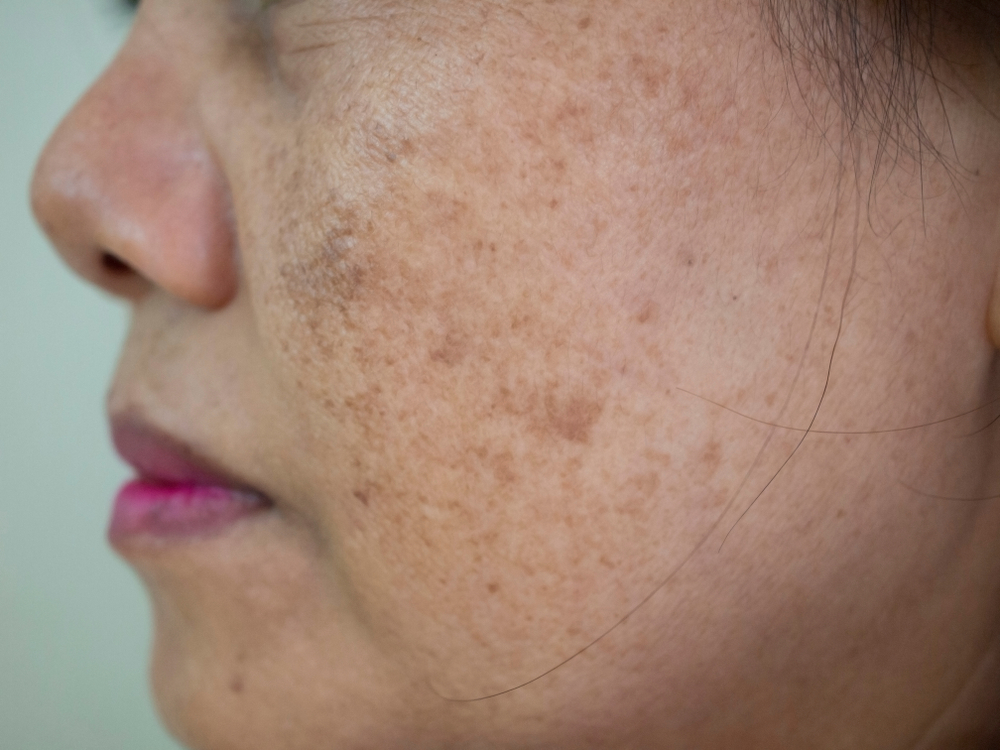
Melasma: This is the “mask of pregnancy,” but it can affect anyone. Melasma presents as symmetrical, splotchy, brown or grayish-brown patches, most commonly on the cheeks, bridge of the nose, forehead, chin, and upper lip. Hormonal changes (pregnancy, oral contraceptives) combined with sun exposure are the primary culprits. It’s like a hormonal symphony conducting an overproduction of melanin, often exacerbated by even minimal sun exposure.
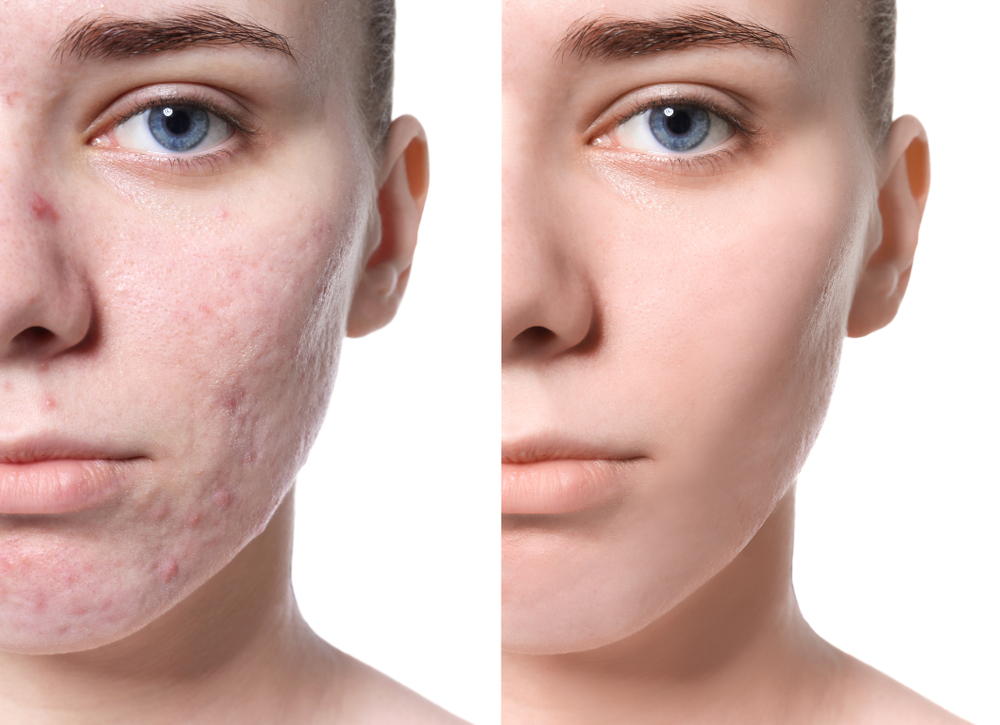
Post-Inflammatory Hyperpigmentation (PIH): This type occurs after an injury or inflammation to the skin, such as acne breakouts, cuts, burns, or even aggressive skin treatments. As the skin heals, it leaves behind a dark spot that can range from pink to red, brown, or black. It’s your skin’s lingering memory of a past trauma, saying, “I was here, and I’m leaving my mark.”
Freckles (Ephelides): While often considered charming, freckles are small, flat, light brown spots that become more prominent with sun exposure. They’re genetically determined and tend to fade in winter. Unlike sunspots, they appear much earlier in life.
Understanding which type of pigmentation you’re dealing with is crucial because a treatment effective for sunspots might be entirely inappropriate, or even counterproductive, for melasma.
The Reality of “Permanent” Pigmentation Removal
Let’s address the elephant in the room: the word “permanent.” In skincare, especially concerning pigmentation, “permanent” is a strong word, often used loosely.
Setting Realistic Expectations
Here’s the honest truth: truly permanently eradicating every single melanin-producing cell from an area of skin is virtually impossible and, frankly, undesirable. Your melanocytes are there for a reason: protection. However, we can achieve long-lasting, significant reduction and clearance of existing pigmentation, often to the point where it’s no longer noticeable.
Think of it like this: if your car is perpetually getting dusty (pigmentation), you can wash it (treatments) to make it spotless. But if you keep driving on dirt roads (sun exposure, hormonal triggers), it will get dusty again. The goal isn’t to make your car dust-proof forever, but to effectively clean it and then take proactive steps (maintenance, prevention) to keep it clean for as long as possible. The aim is to fade existing spots dramatically and prevent new ones from forming, giving you a consistently clear complexion.
The Role of Maintenance and Prevention
This is where the “permanent” asterisk comes in. Achieving a clear complexion through treatments is often the easier part. Maintaining that clarity is the real commitment. Without diligent sun protection and ongoing skincare, pigmentation, especially melasma, is very likely to return.
Maintenance involves daily sun protection, incorporating pigment-inhibiting ingredients into your routine, and sometimes periodic touch-up treatments. Prevention is about understanding your triggers and actively avoiding them. For melasma sufferers, this might mean carefully managing hormonal factors if possible, alongside rigorous sun avoidance. For PIH, it’s about treating acne effectively to prevent inflammation.
So, while we can “permanently” remove existing spots in the sense that they won’t spontaneously reappear if the underlying cause is managed, the propensity for your skin to produce excess pigment remains. Your strategy must be holistic: treat, then diligently protect and prevent.
Professional Treatments for Lasting Pigmentation Reduction
When at-home solutions aren’t enough, professional treatments offer more potent and targeted approaches. These are often the cornerstone of achieving significant, lasting results.
Chemical Peels
Chemical peels involve applying a solution of acids to the skin, which exfoliates the top layers and encourages cellular turnover. It’s like resetting your skin’s surface, sloughing off those pigment-laden cells and allowing fresher, unblemished skin to emerge.
Peels come in various strengths:
- Superficial Peels: Using acids like glycolic acid, lactic, or salicylic acid, these are mild and penetrate only the outermost layer. They’re great for mild sun damage, uneven texture, and brightening, with minimal downtime. Think of it as a gentle spring cleaning for your skin.
- Medium-Depth Peels: Trichloroacetic acid (TCA) is commonly used here. These penetrate deeper, addressing more significant sunspots, fine lines, and moderate pigmentation. Downtime can be 5-7 days, with visible peeling and redness. This is more like a deep clean, getting into those tougher spots.
- Deep Peels: Phenol peels are the strongest, addressing severe sun damage, deep wrinkles, and extensive pigmentation. They offer dramatic results but come with significant downtime (weeks) and risks, requiring careful consideration and usually general anaesthesia. This is a full-scale renovation.
For pigmentation, a series of superficial or medium-depth peels is often most effective, carefully chosen by your dermatologist based on your skin type and pigment type. Post-peel care, including sun protection, is critical to prevent new pigmentation.
Laser Therapy
Laser treatment and light therapies are like precision-guided missiles, targeting pigment with remarkable accuracy. They work by emitting specific wavelengths of light that are absorbed by the melanin in the dark spots, breaking it up into tiny particles that the body then clears away.
- Q-switched Lasers (e.g., Nd:YAG): These deliver ultra-short pulses of high-energy light, making them excellent for breaking down stubborn sunspots, freckles, and even tattoo ink. They are highly effective but require careful parameter selection to avoid post-inflammatory hyperpigmentation, especially in darker skin types.
- PicoSure/PicoWay Lasers: These “picosecond” lasers deliver even shorter pulses than Q-switched lasers, shattering pigment into even tinier fragments with less heat, potentially reducing the risk of PIH and allowing for faster clearance. They are particularly good for resistant pigmentation and melasma.
- Intense Pulsed Light (IPL) – Photofacial: While not a true laser (it uses broad-spectrum light), IPL is fantastic for diffuse sun damage, sunspots, and overall skin brightening. It selectively targets melanin (and haemoglobin for redness) to even out skin tone. It’s a great “first-pass” treatment for general sun damage.
- Fractional Lasers (e.g., Fraxel, PicoFractional): These lasers create microscopic treatment zones in the skin, stimulating collagen production and encouraging the expulsion of pigmented cells, effectively offering a form of skin resurfacing. Non-ablative fractional lasers cause less downtime, while ablative ones are more aggressive. They are particularly useful for melasma and improving overall skin texture alongside pigmentation.
Laser therapy requires multiple sessions and can be expensive, but the results can be truly transformative. Again, the right laser choice depends entirely on your specific pigmentation type, skin type, and the expertise of your practitioner. Treating melasma with the wrong laser or settings can actually worsen it, emphasising the need for a skilled dermatologist.
Microdermabrasion and Dermaplaning
These treatments are less about deep pigment destruction and more about gentle physical exfoliation, improving skin texture and allowing topical products to penetrate more effectively.
- Microdermabrasion: Uses a device to gently sand away the outermost layer of skin with fine crystals or a diamond tip. It’s excellent for improving mild superficial pigmentation, sun damage, and overall skin dullness. It’s like a thorough sanding down of an old piece of furniture before refinishing.
- Dermaplaning: A practitioner uses a sterile surgical scalpel to gently scrape off the top layer of dead skin cells and vellus hair (peach fuzz). It provides instant smoothness, enhances product absorption, and can help with very superficial pigmentation. It’s like meticulously polishing a surface to reveal its shine.
While not standalone solutions for deep or stubborn pigmentation, they can be valuable adjuncts to other treatments, especially in a series, preparing the skin for more potent therapies or enhancing the effects of topical agents.
Prescription Topical Treatments
These are not your average over-the-counter creams. Prescription topicals contain higher concentrations of active ingredients or ingredients not available without a doctor’s order, making them highly effective for fading and controlling pigmentation.
- Hydroquinone (HQ): Often considered the gold standard for depigmentation, hydroquinone works by inhibiting the enzyme tyrosinase, which is essential for melanin production. It effectively lightens existing spots and prevents new ones. It typically comes in 2-4% concentrations (prescription-only) and is often used for 3-6 months. However, long-term continuous use can lead to adverse effects, so it’s usually prescribed in cycles or for specific durations.
- Tretinoin (Retin-A): A powerful retinoid, tretinoin increases cell turnover, helping to shed pigmented cells more quickly. It also helps to distribute melanin more evenly and enhances the penetration of other active ingredients. It’s a cornerstone for overall skin rejuvenation and significantly aids in pigmentation management.
- Corticosteroids: These are sometimes used in combination with hydroquinone and tretinoin (the “Kligman’s Formula”) to reduce inflammation and irritation caused by the other ingredients. They are typically used for short periods under strict medical supervision.
- Azelaic Acid: Available in prescription strengths (15-20%), azelaic acid inhibits tyrosinase, reduces inflammation, and is particularly good for melasma and post-inflammatory hyperpigmentation, especially in acne-prone skin. It’s generally well-tolerated.
- Tranexamic Acid: Available orally or topically by prescription, tranexamic acid has emerged as a promising treatment for melasma, working by inhibiting plasmin, a factor that can contribute to melanin production.
These prescription treatments often form the backbone of a comprehensive pigmentation strategy, providing consistent, daily treatment that complements in-office procedures.
At-Home Strategies for Managing and Fading Pigmentation
While professional treatments offer a powerful reset, your daily at-home routine is critical for both preparing your skin for treatments and, more importantly, maintaining your results and preventing recurrence. Think of it as your daily defence and repair team.
Over-the-Counter Topical Treatments
The beauty aisle offers an overwhelming array of “brightening” skincare products, though natural remedies like aloe vera are also popular. Look for these key active ingredients that can genuinely make a difference in fading pigmentation and preventing new spots:
- Vitamin C (Ascorbic Acid): A potent antioxidant that brightens the skin, inhibits melanin production, and protects against free radical damage. Look for stable forms and concentrations of 10-20% in serums.
- Niacinamide (Vitamin B3): This powerhouse ingredient helps block the transfer of melanin to skin cells, reduces inflammation, and strengthens the skin barrier. It’s excellent for overall skin health and brightening.
- Alpha Hydroxy Acids (AHAs – Glycolic, Lactic Acid): At lower concentrations in OTC products, AHAs gently exfoliate the skin, promoting cell turnover and helping to shed pigmented cells. Start with lower concentrations (5-10%) a few times a week.
- Beta Hydroxy Acid (BHA – Salicylic Acid): Particularly useful for PIH, salicylic acid penetrates oil, making it effective for acne-prone skin and helping to clear congested pores while gently exfoliating.
- Kojic Acid: Derived from fungi, kojic acid also inhibits tyrosinase, similar to hydroquinone, but often with less irritation.
- Alpha Arbutin: A derivative of hydroquinone, alpha arbutin provides similar melanin-inhibiting effects but is often better tolerated.
- Liquorice Root Extract: This natural ingredient contains glabridin, which helps inhibit tyrosinase and has anti-inflammatory properties.
- Retinoids (Retinol, Retinaldehyde): Over-the-counter retinoids accelerate cell turnover, helping to shed pigmented cells and improve overall skin texture. They are less potent than prescription tretinoin but still highly effective with consistent use.
Incorporating a combination of these ingredients into your morning and evening routines can significantly accelerate fading and prevent new pigmentation. Look for well-formulated serums and creams.
Sun Protection
I cannot stress this enough: sun protection is the single most important step in managing and preventing pigmentation. Without it, every other treatment you do is like trying to empty a bathtub with the faucet still running.
- Broad-Spectrum SPF 30+ Daily: Apply a broad-spectrum sunscreen with an SPF of 30 or higher every single day, rain or shine, indoors or out. Look for formulas that protect against both UVA (ageing rays) and UVB (burning rays).
- Reapply Regularly: Sunscreen isn’t a “one-and-done.” Reapply every two hours when outdoors, and after sweating or swimming.
- Physical Blockers are Your Best Friends: Zinc oxide and titanium dioxide physically block UV rays, offering excellent protection and often being less irritating for sensitive skin or those prone to melasma (which can be triggered by heat).
- Seek Shade: Whenever possible, avoid direct sun exposure during peak hours (10 AM to 4 PM).
- Wear Protective Clothing: Wide-brimmed hats, UV-protective sunglasses, and long-sleeved clothing offer additional layers of defence.
Sunscreen isn’t just about preventing sunburn; it’s about preventing the melanocytes from going into overdrive. Make it a non-negotiable part of your daily routine, like brushing your teeth.
Lifestyle Adjustments for Clearer Skin
Your skin is a reflection of your internal health. Small lifestyle changes can significantly impact pigmentation.
- Manage Stress: Stress can trigger hormonal fluctuations that exacerbate conditions like melasma. Incorporate stress-reducing activities like meditation, yoga, or spending time in nature.
- Balanced Diet: A diet rich in antioxidants (from fruits and vegetables) can help combat free radical damage that contributes to pigmentation. Reduce inflammatory foods.
- Adequate Sleep: Your skin repairs itself while you sleep. Prioritise 7-9 hours of quality sleep each night.
- Avoid Picking and Popping: Any trauma to the skin, especially acne, can lead to post-inflammatory hyperpigmentation. Resist the urge to pick!
- Review Medications: If you’re struggling with persistent melasma, discuss your medications, particularly hormonal contraceptives, with your doctor to see if alternatives might be suitable.
These holistic approaches support your skin’s overall health, making it more resilient and responsive to targeted pigmentation treatments.
Crafting Your Personalised Pigmentation Treatment Plan
Piecing together all these strategies might seem daunting, but it doesn’t have to be. The key is a tailored approach.
Consulting with a Dermatologist
This is the most crucial piece of advice. Think of a dermatologist as your skin’s architect. They have the expertise to:
- Accurately Diagnose Your Pigmentation: Is it melasma, sunspots, PIH, or a combination? The diagnosis dictates the treatment.
- Assess Your Skin Type and History: They’ll consider your skin tone, sensitivity, and any underlying conditions.
- Create a Customised Treatment Plan: This will involve selecting the most appropriate professional treatments (peels, lasers), prescribing topical medications, and recommending an effective at-home routine.
- Monitor Your Progress and Adjust: Pigmentation treatment often requires finessing. A dermatologist can safely adjust treatments as your skin responds.
- Manage Potential Side Effects: Professional guidance minimises risks like irritation, worsening pigmentation, or scarring.
Attempting to self-diagnose and treat complex pigmentation can lead to frustration, wasted money, and potentially worsening your condition. Invest in a dermatologist consultation; it’s the smartest first step.
Combining Treatments for Optimal Results
Just as a symphony uses multiple instruments to create a rich sound, the most effective pigmentation plans often combine several modalities. This synergistic approach targets pigmentation at different depths and through various mechanisms.
A typical comprehensive plan might look like this:
- Professional Treatment Series: A course of 3-6 laser sessions (e.g., Pico or Q-switched for sunspots, fractional laser for melasma) or a series of medium-depth chemical peels.
- Prescription Topicals: Daily use of hydroquinone (cycled), tretinoin, and/or azelaic acid to fade existing spots and prevent new ones.
- At-Home Support: Consistent use of OTC antioxidants (Vitamin C, Niacinamide) and gentle exfoliants (AHAs/BHAs) to boost radiance and maintain results.
- Rigorous Sun Protection: Non-negotiable, daily application and reapplication of broad-spectrum SPF 30+.
- Lifestyle Adjustments: Stress management, healthy diet, and avoiding triggers.
The dermatologist will orchestrate this plan, ensuring treatments are complementary and don’t overwhelm your skin, aiming for the best results.
The Importance of Patience and Consistency
Pigmentation didn’t appear overnight, and it won’t disappear overnight. This journey requires patience and unwavering consistency.
- Patience: Expect to see noticeable improvement over weeks to months, not days. Lasers and peels often show initial results, but the full effect of cellular turnover and pigment clearance takes time.
- Consistency: Adhering to your prescribed topical regimen, applying sunscreen diligently, and following up with maintenance treatments are paramount. Skipping steps or becoming complacent will likely lead to recurrence.
Think of it as training for a marathon, not a sprint. Each step you take, every product you apply, and every sun-protective measure contributes to your long-term goal of clear, even-toned skin. While true “permanent” removal may be a strong claim, achieving a significantly clearer complexion that lasts for years, with diligent maintenance, is absolutely within your reach. With the right knowledge, professional guidance, and consistent effort, you can effectively manage and dramatically reduce pigmentation, revealing the radiant skin you deserve.
Don’t let dark spots hold you back any longer. The team at Lumi Skin Clinics uses state-of-the-art technology to help you achieve a flawless, filter-free glow. Discover our range of pigmentation treatments and start your journey to skin confidence now.
Disclaimer: The above content is for general informational purposes only and does not constitute medical advice. It is not intended to diagnose, treat, cure, or prevent any condition. Information may change over time. Please consult a qualified healthcare professional before making any health or treatment decisions.