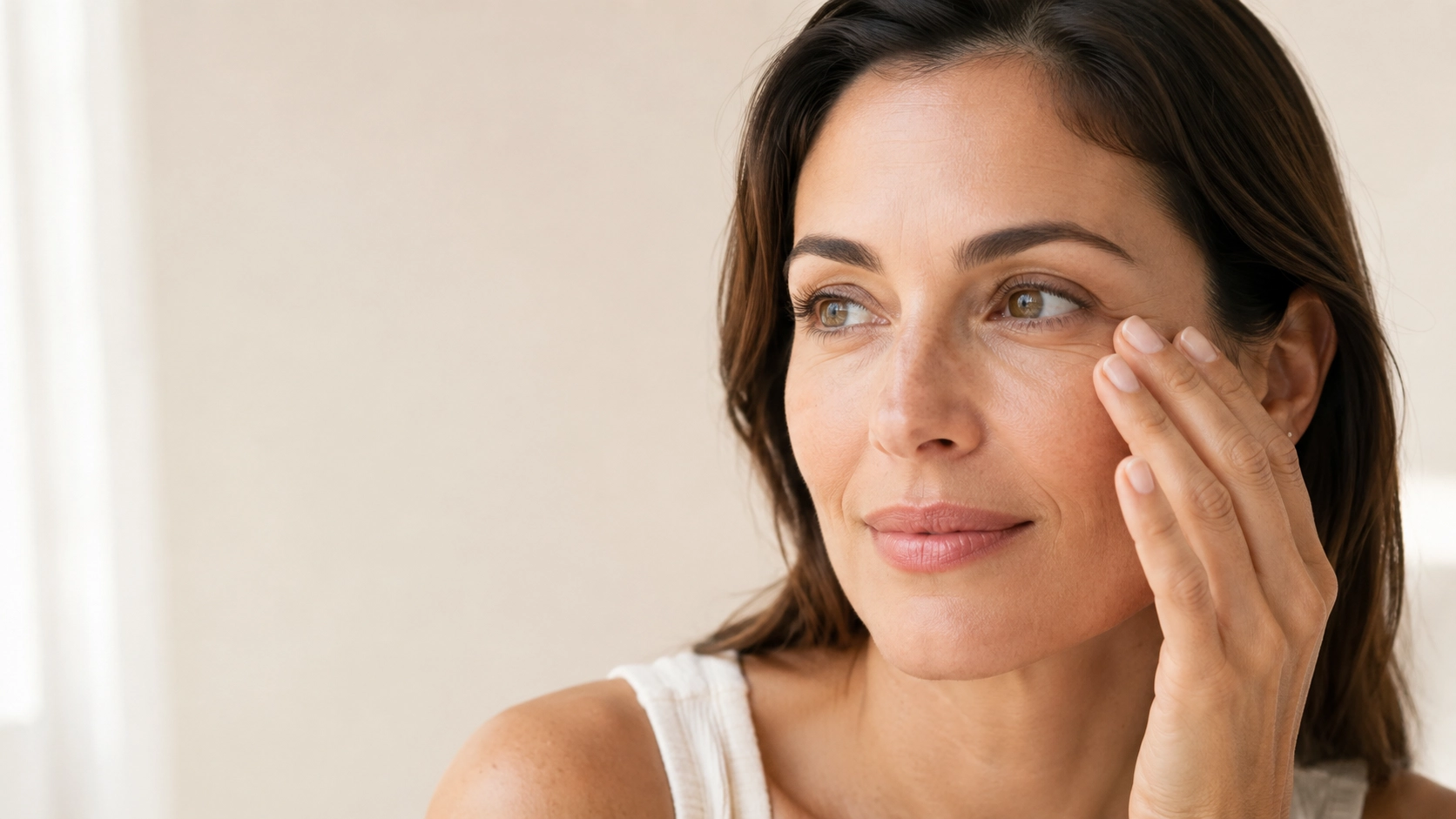
Lines under the eyes are a normal part of ageing. They can become more noticeable as the skin becomes thinner, drier and less elastic. While it may not be possible to remove every line completely, there are ways to soften their appearance and help prevent them from becoming deeper.
If you are looking for how to eliminate lines under eyes, the best approach depends on what is causing them. For some people, hydration and sun protection may make a visible difference. Deeper under-eye wrinkles or static wrinkles may need a different approach and could benefit from professional assessment.
What Causes Lines Under the Eyes?
The skin around the eyes is thinner and more delicate than many other areas of the face. Over time, ageing, sun exposure, facial movements and lifestyle habits can all make fine lines more noticeable.
Ageing and Collagen Loss
As we age, the skin gradually produces less collagen and elastin, which help maintain firmness and elasticity. With less structural support, fine lines and sagging skin can become more noticeable, even when the face is relaxed.
Sun Exposure and Facial Movements
UV exposure can contribute to collagen breakdown and premature skin ageing. Repeated facial expressions such as smiling and squinting also fold the skin around the eyes.
Over time, these facial movements can make expression lines more noticeable. This includes crow’s feet, which usually appear around the outer corners of the eyes.
Dryness and Dehydration
Dry or dehydrated skin can make fine lines look deeper because the skin appears less plump. Maintaining hydration will not remove established wrinkles, but it can help the area look smoother.
Genetics and Lifestyle Factors
Genetics influence how the eye area changes with age. Smoking, lack of sleep and frequent sun exposure can also affect skin quality.
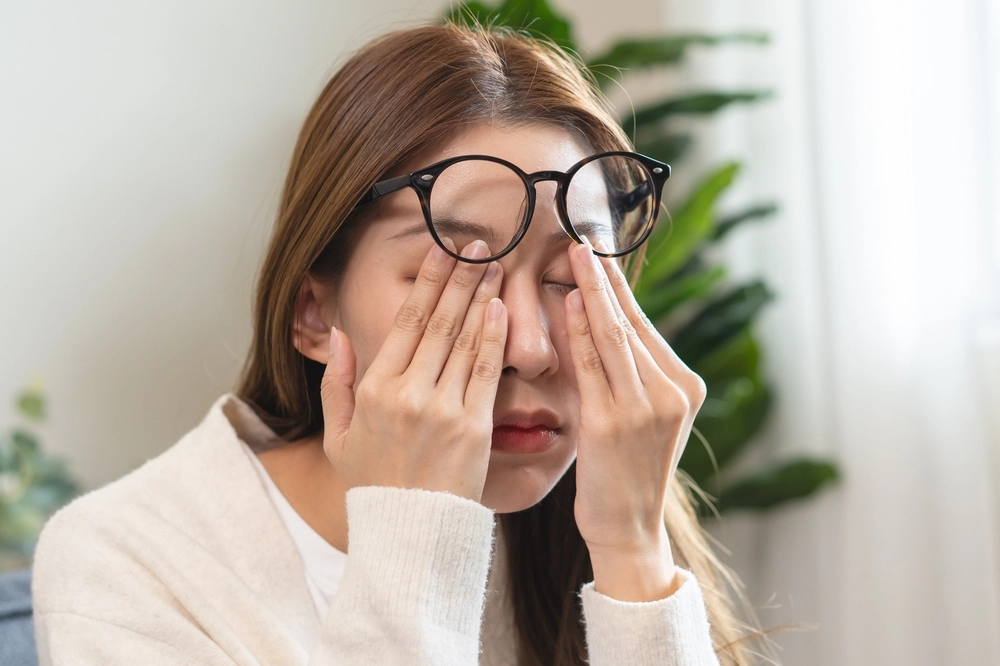
Other lifestyle habits, including inconsistent sun protection and repeatedly rubbing the eye area, may also make signs of ageing more noticeable over time.
How to Reduce Lines Under Your Eyes at Home
For mild lines, start with a simple skincare routine rather than adding several strong products at once.
Keep the Under-Eye Area Moisturised
A gentle moisturiser or eye cream can help reduce the appearance of dehydration lines. Ingredients such as hyaluronic acid, glycerin and ceramides help attract or retain moisture and support the skin barrier.
Choose an eye cream that suits your skin and does not cause stinging or irritation.
Consider Retinol or Retinoids
Retinol and other retinoids are commonly used to improve the appearance of fine lines and support skin renewal. However, the skin around the eyes can be sensitive.
Start with a low-strength product suitable for the eye area and introduce it gradually. If you have sensitive skin or persistent irritation, speak with a dermatologist or qualified health professional.
Look for Peptides and Antioxidants
Peptides are often included in eye creams and serums designed to support smoother-looking skin. Antioxidants such as vitamin C can also help protect the skin from environmental stress.
Use Sunscreen Every Day
Daily sun protection is one of the most important ways to reduce further UV damage.
In Australia, use a broad-spectrum SPF50 or SPF50+ sunscreen when sun protection is required, and combine it with sunglasses, a hat and shade.
Sunglasses can also help reduce squinting, which may make expression lines and crow’s feet more noticeable over time.
Be Cautious With Home Remedies
Some home remedies may make the under-eye area feel softer or more hydrated for a short time. Ingredients such as aloe vera and vitamin E are sometimes used in skincare, but they are unlikely to remove established wrinkles.
Be careful when applying DIY products close to the eyes, as this area can be easily irritated. A gentle moisturiser and consistent sun protection are usually better foundations for an under-eye skincare routine.
Avoid Rubbing or Pulling the Skin
Avoid rubbing or pulling the eye area when cleansing, removing makeup or applying products. Gentle application can help minimise irritation.
Professional Treatments for Under-Eye Lines
If your under-eye wrinkles are deeper or do not improve with skincare, a professional assessment can help identify whether the concern is mainly skin texture, loss of elasticity, sun damage or structural change.
Microneedling
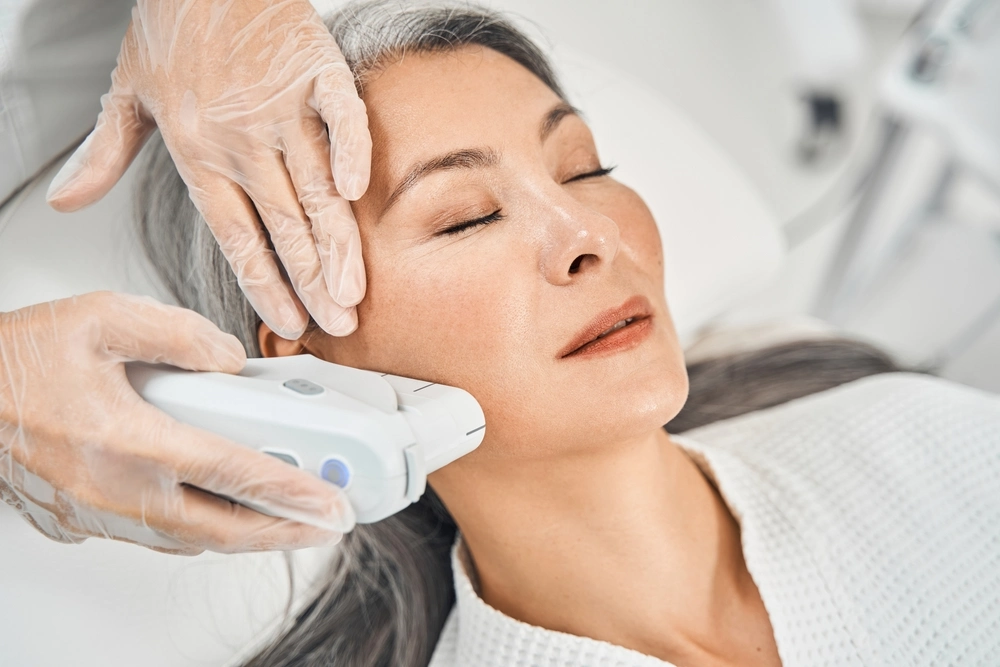
Microneedling creates controlled microchannels in the skin to support the skin’s natural repair response. It may help improve skin texture and the appearance of fine lines over time.
Because the eye area is delicate, microneedling should be performed by a suitably trained practitioner.
Laser and Energy-Based Treatments
Some laser and energy-based treatments are used to improve skin texture and signs of photoageing. Different devices work at different depths, so the most suitable option depends on your skin type and the concern being treated.
These treatments can involve risks, downtime and aftercare, so an individual assessment is important.
Chemical Peels
Professional chemical peels use exfoliating acids to improve surface texture and may help soften some superficial lines.
The under-eye area is sensitive, so only products and strengths suitable for this area should be used.
What if the Lines Are Caused by Volume Loss?
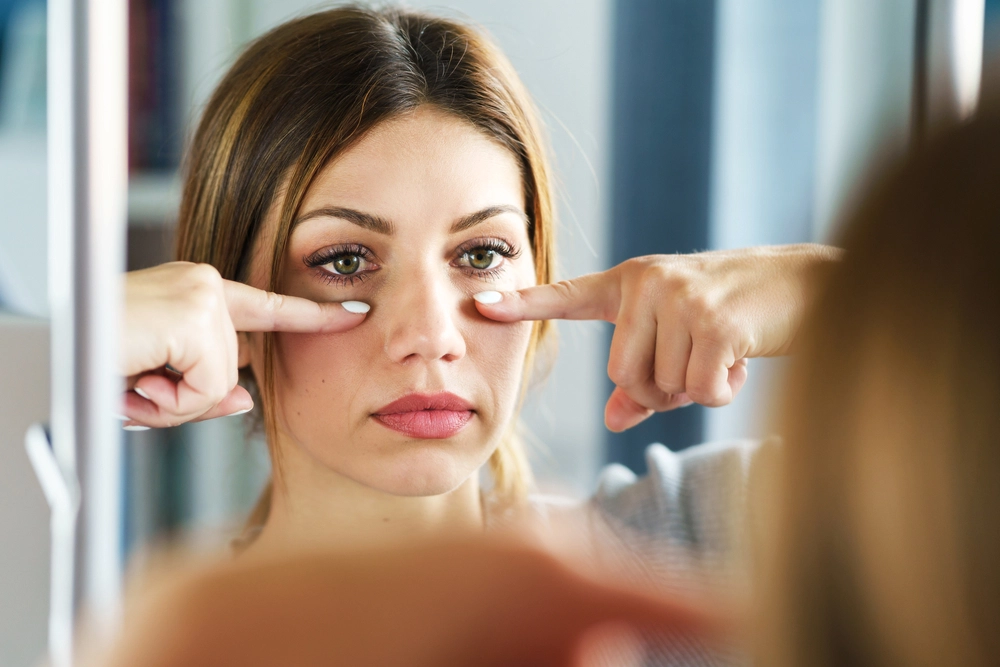
Sometimes a hollow or shadow beneath the eye can look like a wrinkle. Dark circles and under-eye bags can also make lines appear more noticeable because they can create shadows or puffiness around the lower eye area.
In these cases, skincare aimed at improving surface texture may not address the underlying concern. A qualified health professional can assess whether the appearance is related to skin texture, volume changes, sagging skin or another structural factor before discussing suitable options.
Which Treatment Works Best for Different Under-Eye Lines?
There is no single treatment that works best for everyone.
Fine or dehydration lines: Start with moisturising, hyaluronic acid, a gentle eye cream and consistent sun protection.
Crepey under-eye skin: Hydrating skincare may improve the surface appearance, while professional treatments may be considered for more noticeable changes in texture or elasticity.
Deeper or static wrinkles: Static wrinkles remain visible even when your face is relaxed. If these lines are more noticeable, consider having the area assessed by a qualified health professional before investing in more intensive skincare or treatments.
Dark circles or under-eye bags: These concerns are different from wrinkles, although they can make the eye area look more lined. The right approach depends on whether the main concern is pigmentation, shadowing, puffiness, skin texture or structural change.
How to Prevent Under-Eye Lines From Becoming More Noticeable
You cannot stop the natural ageing process, but healthy lifestyle habits can help protect the skin:
- Use broad-spectrum sunscreen and wear sunglasses outdoors.
- Keep your skincare routine gentle and consistent.
- Avoid smoking.
- Eat a balanced diet and stay hydrated.
- Aim for regular, quality sleep.
- Avoid repeatedly rubbing the eye area.
These habits will not erase existing under-eye wrinkles, but they can support overall skin health and help reduce avoidable causes of premature skin ageing.
How Long Does It Take to See Results?
Results depend on the type of line and the approach you choose.
Moisturising can make dehydration lines look softer relatively quickly, while active skincare such as retinol usually needs consistent use over several weeks.
Professional treatments may require more than one session, and results vary between individuals. The aim is usually to soften lines and improve skin quality rather than remove every natural crease.
When Should You Speak to a Qualified Health Professional?
Seek advice if products cause persistent redness, burning, swelling or irritation, or if you are considering a professional procedure.
A dermatologist or appropriately qualified practitioner can help identify whether your concern is mainly dehydration, sun damage, skin ageing, dark circles, under-eye bags or structural change. They can then discuss options that are appropriate for your skin and individual needs.
Ready to take the next step? Book a complimentary consultation with Lumi Skin Clinics to discuss your under-eye concerns and suitable treatment options.