TL;DR: Broken capillaries on the face are usually tiny, widened blood vessels that appear as fine red or purple lines, especially around the nose and cheeks. Gentle skincare and sun protection can help manage irritation and reduce triggers, but they generally cannot remove vessels that remain visible. Vascular laser and intense pulsed light (IPL) treatments may reduce their appearance after a professional assessment. Results vary, more than one session may be needed, and new visible vessels can develop over time.
If you are wondering how to get rid of broken capillaries on your face, first check whether the red lines persist or appear only when your skin flushes. The distinction matters because treatments differ.
What are broken capillaries on the face?
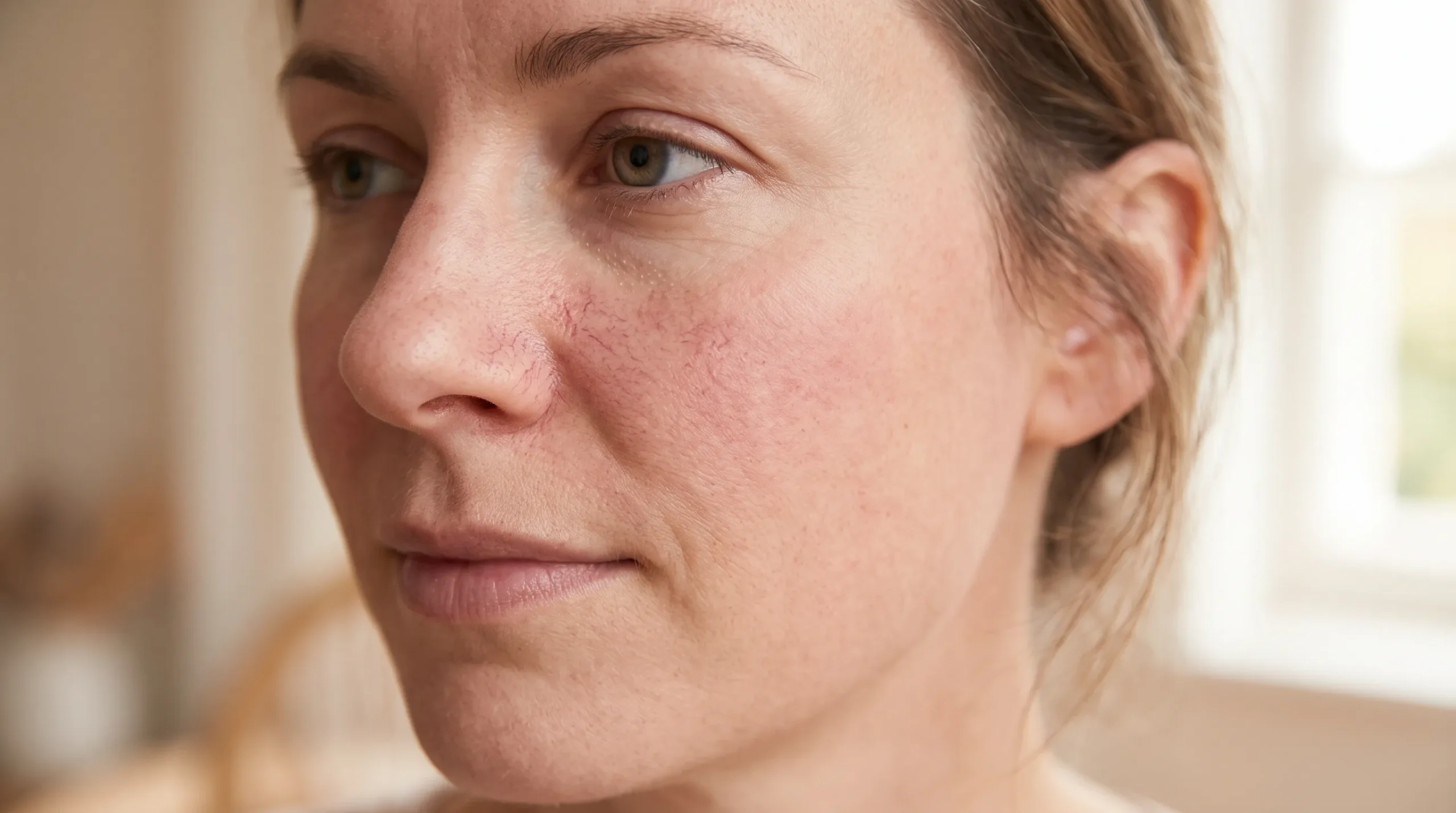
“Broken capillaries” is a common name for telangiectasia: small blood vessels close to the skin’s surface that have become widened and visible. They often look like thin red lines or branching threads, sometimes with a purple tint. Despite the name, these vessels are not necessarily physically broken. The DermNet guide to telangiectasia explains the condition and its possible causes.
They commonly appear beside the nostrils or across the cheeks. Unlike flushing, an individual vessel can remain visible. Other skin conditions may look similar; see our guide to reducing red skin on the face.
What causes broken capillaries on your face?
Several factors can contribute to visible facial blood vessels:
- Sun exposure and ageing: Long-term ultraviolet (UV) exposure and changes in the skin can make small vessels more noticeable.
- Rosacea: This inflammatory skin condition can involve flushing, ongoing redness and visible vessels, particularly on the central face. The Australian healthdirect guide to rosacea also explains when medical review is appropriate.
- Genetics: Some people are more prone to visible facial vessels than others.
- Skin injury or medication effects: Past skin damage and prolonged or inappropriate use of topical corticosteroids can contribute in some cases.
Heat, spicy food, alcohol and exercise may trigger flushing in people with rosacea without necessarily causing new vessels. Track personal triggers if redness comes and goes.
Can you get rid of broken capillaries naturally?
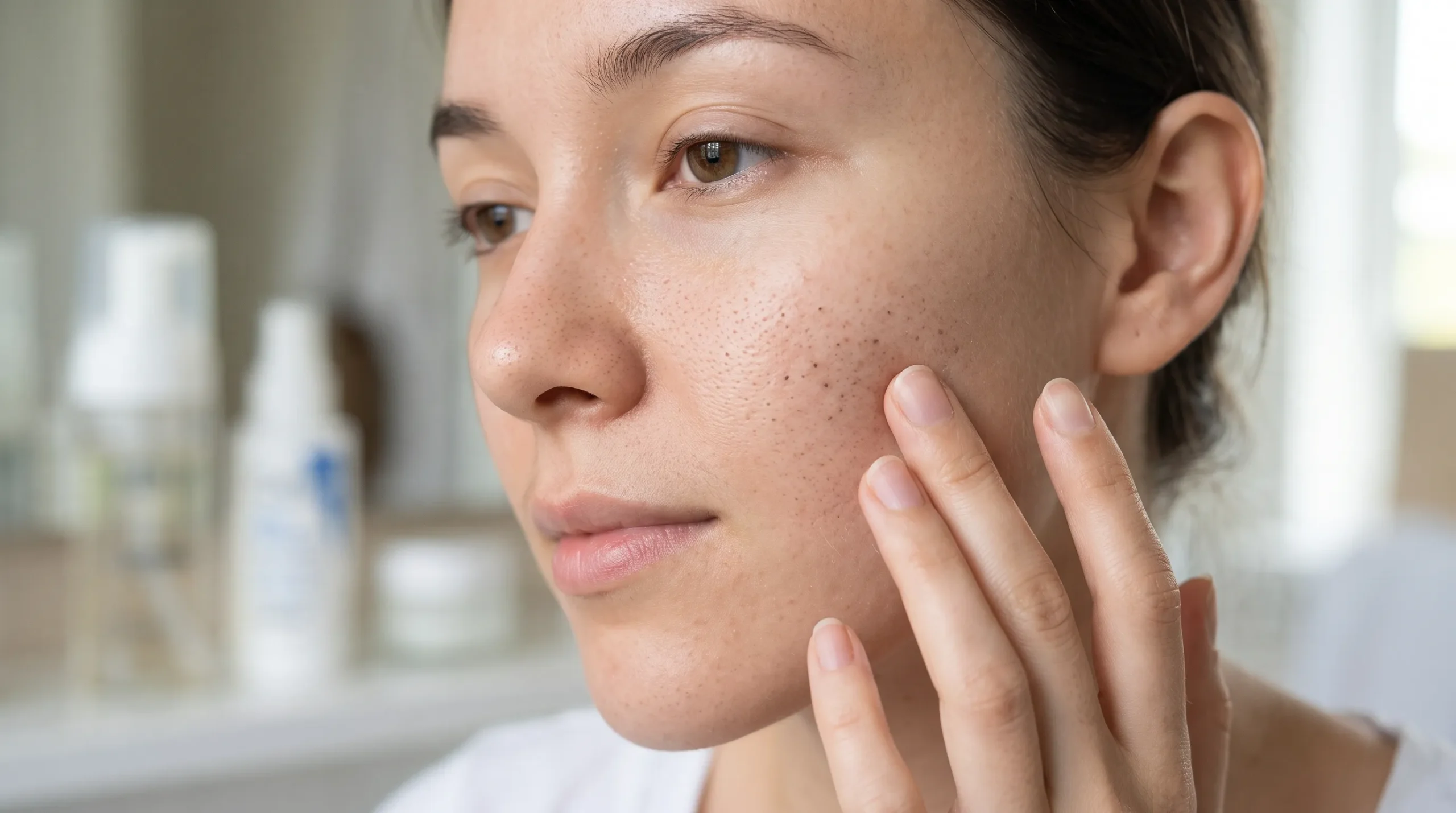
Home skincare generally cannot erase an established, visible blood vessel. Creams, facial massage, ice rollers and DIY remedies do not reliably close these vessels. Some may temporarily calm surrounding redness; others can irritate sensitive skin and make the problem appear worse.
A gentle routine can still reduce irritation:
- Wash with a mild, fragrance-free cleanser and lukewarm rather than hot water.
- Apply a moisturiser suited to sensitive skin, and introduce new products one at a time.
- Avoid harsh scrubs, aggressive exfoliation and rubbing areas that are already irritated.
- Use broad-spectrum, water-resistant SPF 50 or SPF 50+ sunscreen when UV protection is required, alongside a hat and shade. Follow Cancer Council Australia’s sun-protection advice, particularly when the UV Index reaches 3 or above.
- If you have rosacea, identify your personal flushing triggers instead of eliminating foods or activities unnecessarily.
Avoid treating persistent facial redness with steroid cream unless a healthcare professional has specifically prescribed and explained its use. If you are uncertain about a skin product or an underlying condition, ask your GP or dermatologist.
Professional treatments for visible facial capillaries
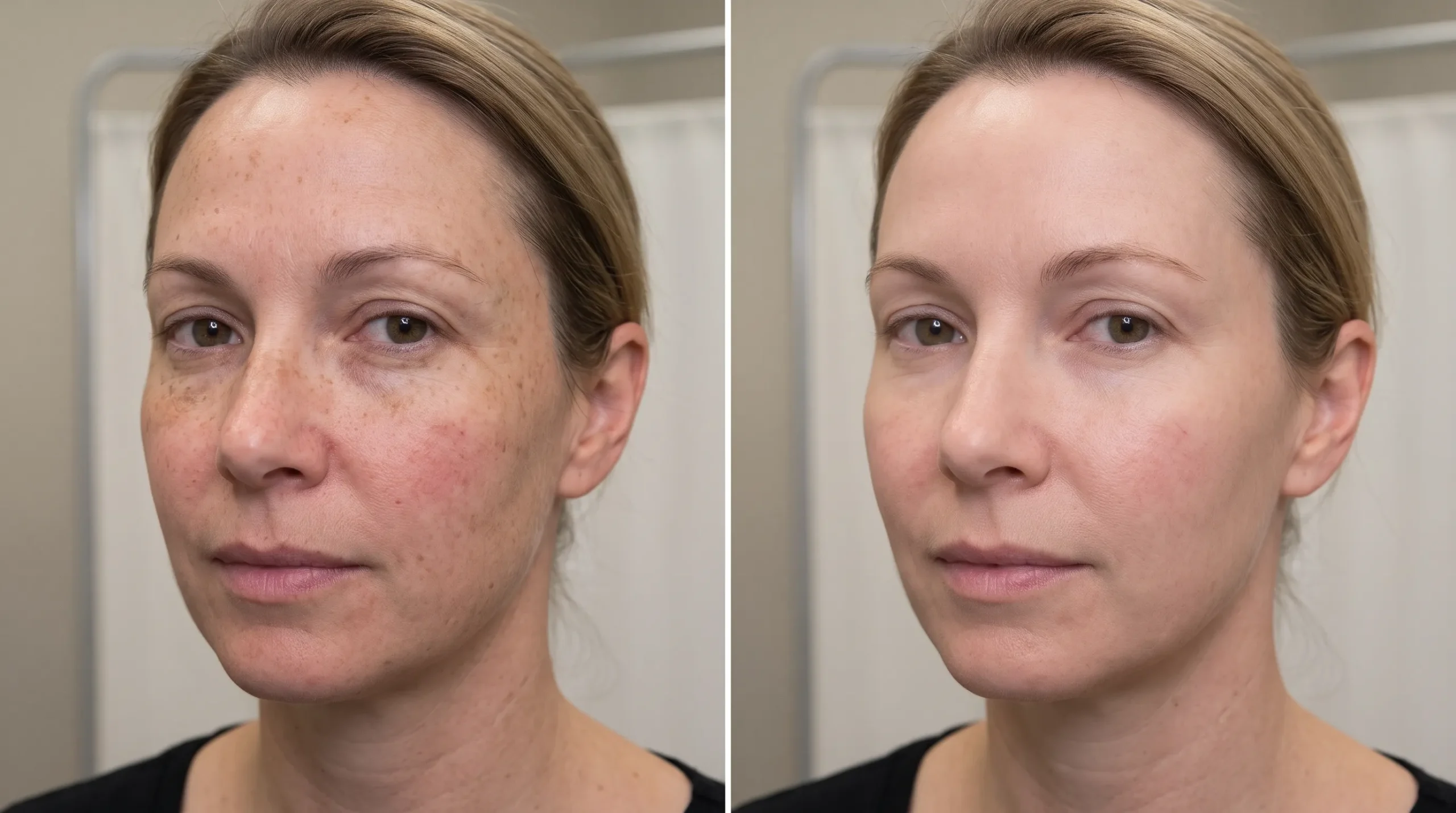
Light-based treatment may reduce persistent vessels. Suitability depends on vessel characteristics, skin tone, medical history and risks.
Vascular laser treatment
Vascular lasers deliver targeted light absorbed by blood in selected vessels. They may reduce suitable superficial vessels, but no single device suits everyone.
Lumi Skin Clinics discusses facial telangiectasia and rosacea on its Laser Redness Treatment page. A consultation should establish whether the visible marks are appropriate for cosmetic treatment or need a medical diagnosis first.
Intense pulsed light (IPL)
IPL uses a broader spectrum of light and can address some patterns of diffuse redness or superficial vessels. Suitability and settings require professional assessment.
You can explore Lumi Skin Clinics’ IPL Rejuvenation service for information about the treatment offered at the clinic. IPL is not automatically suitable for darker or recently tanned skin; the risk of pigment changes or burns needs individual assessment.
What about creams or prescription medicines?
For rosacea, a doctor may prescribe treatment for inflammation or redness, which may not remove established vessels. Laser or IPL addresses a different concern.
| Approach | What it can help with | Key limitation |
| Gentle skincare and sun protection | Irritation, flare-up triggers and ongoing skin protection | Does not reliably remove persistent vessels |
| Doctor-prescribed rosacea treatment | Rosacea-related inflammation or redness | May not clear individual visible vessels |
| Vascular laser | Selected visible superficial blood vessels | Suitability, sessions and results vary |
| IPL | Some superficial vessels and broader redness | Not appropriate for every skin type or condition |
The American Academy of Dermatology notes that laser or light treatments can reduce visible vessels, although results and the need for repeat treatment vary.
What happens during treatment and recovery?
Before your appointment
A qualified practitioner should assess your skin, medical history, medicines, benefits and risks. Mention recent tanning, pigment changes, cold sores or photosensitivity.
During the procedure
Treatment may feel briefly warm or snapping. Cooling and appropriate eye protection may be used.
Afterwards
Temporary redness, swelling or bruising can occur. Less commonly, light-based procedures can cause blistering, changes in pigmentation or scarring. The Australasian College of Cosmetic Surgery and Medicine outlines these potential effects. Follow your practitioner’s aftercare instructions, avoid unnecessary heat and sun exposure while healing, and contact the treating clinic if you experience unexpected symptoms.
How many sessions will you need? Some people improve after one session; others need several. Ask about the proposed course, downtime and total cost.
Can broken capillaries come back?
Treatment may reduce existing vessels, but new vessels can appear later, particularly if the underlying tendency or rosacea-related triggers continue. Sun protection and appropriate management of persistent redness remain important even when a procedure has worked well.
Avoid repeated irritation and check the UV Index, even on cool or cloudy days.
When should you see a GP or dermatologist first?
Do not assume every new red mark is cosmetic. Arrange medical assessment if a spot changes, bleeds, crusts, becomes painful, or looks unlike the surrounding vessels. Seek medical advice for rapidly developing or widespread visible vessels, or redness accompanied by other unexplained symptoms. If you have rosacea symptoms affecting your eyes or vision, obtain a prompt medical assessment.
Medical assessment helps identify conditions that need different care.
Conclusion: Choose treatment based on the cause
To reduce visible broken capillaries, start by identifying whether the marks are persistent vessels or temporary flushing. Gentle skincare and Australian sun protection help manage triggers; vascular lasers or IPL may be worth discussing when the vessels themselves remain visible. A realistic assessment matters more than a promise of permanent removal.
If you would like to discuss your skin concerns, explore Lumi Skin Clinics’ treatment options and contact the Sydney clinic to arrange an initial consultation. A clinician can advise whether medical review or a cosmetic treatment assessment is the appropriate next step.
Disclaimer: The above content is for general informational purposes only and does not constitute medical advice. It is not intended to diagnose, treat, cure, or prevent any condition. Information may change over time. Please consult a qualified healthcare professional before making any health or treatment decisions.