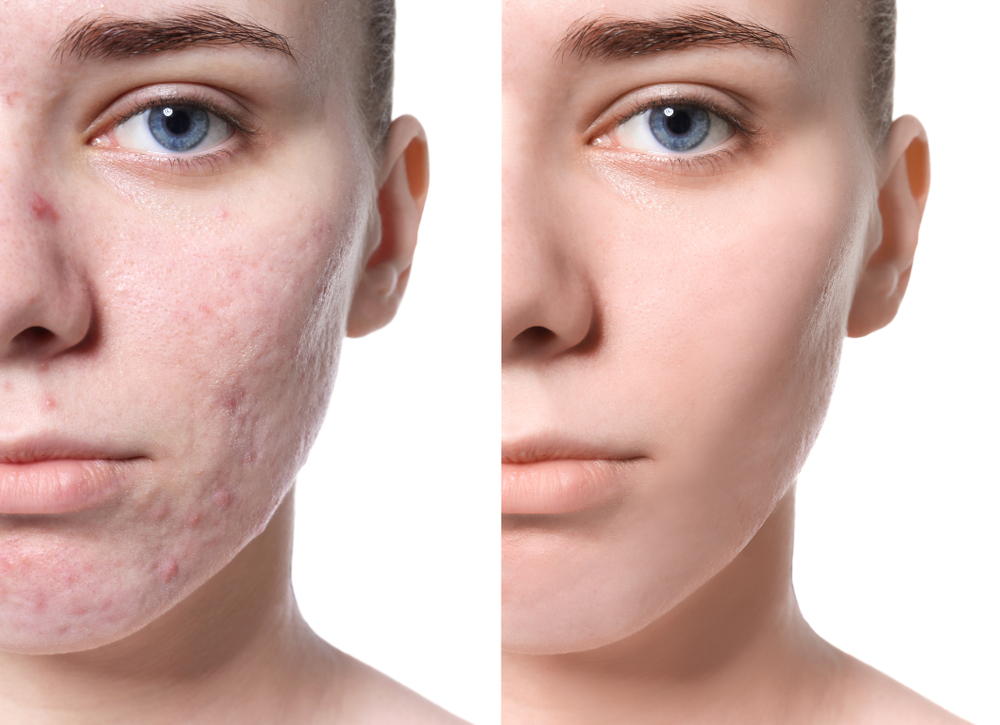
Acne, in its active form, is frustrating enough. But for many, the battle doesn’t end when the last pimple fades. It leaves behind an unwelcome legacy: scars. If you’re reading this, chances are you’ve looked in the mirror and felt that familiar pang of disappointment, wishing those marks would just disappear. You’re not alone. Acne scars can impact self-confidence and remind us daily of past skin struggles.
But here’s the good news: you don’t have to live with them forever. Understanding what acne scars are, why they form, and the powerful treatments available is the first step on your journey to smoother, healthier skin. Think of me as your guide, illuminating the path forward.
What Exactly Are Acne Scars, Anyway?
Before we dive into solutions, let’s clarify what we’re actually dealing with. Not every mark left by acne is a permanent scar. This distinction is crucial because it often dictates the best course of action.
It’s not always a ‘true’ scar
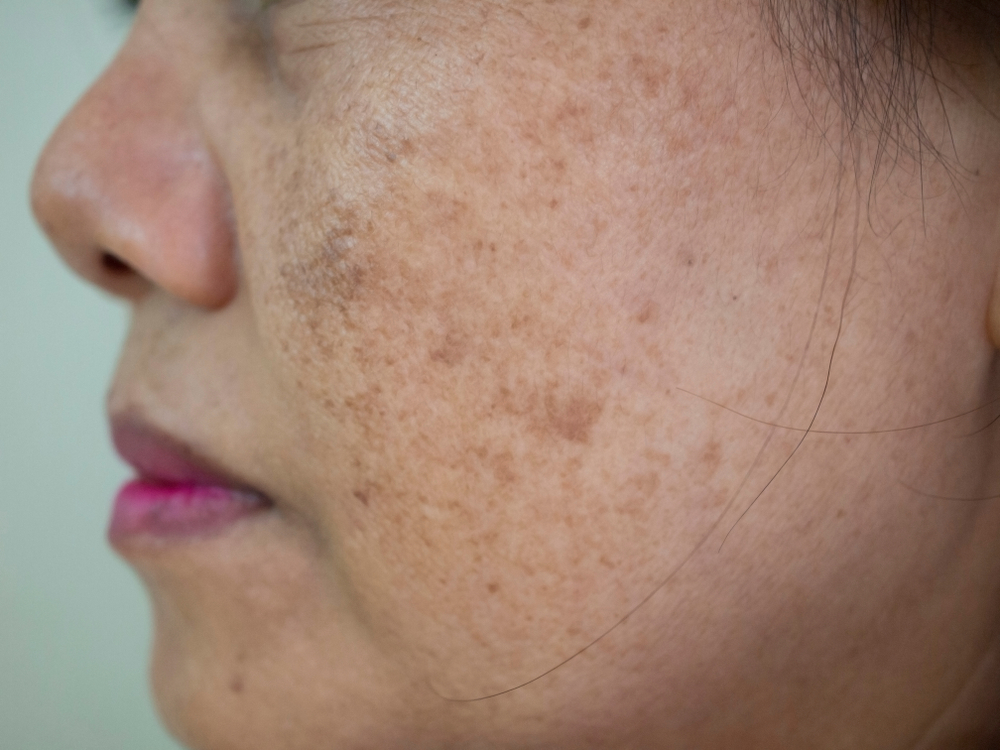
Often, what people identify as an acne scar is actually post-inflammatory hyperpigmentation (PIH) or post-inflammatory erythema (PIE).
- PIH refers to those dark spots (brown, black, or greyish) that linger long after a pimple has gone. This happens when the skin produces too much melanin in response to inflammation. It’s like a temporary tattoo from your body’s healing process.
- PIE presents as red or purplish spots. This redness is due to damaged or dilated capillaries close to the skin’s surface, also a byproduct of inflammation.
The key takeaway here? Both PIH and PIE are discolourations, not textural changes. They will almost always fade on their own, given enough time (though it can take months or even years). While they can be frustrating, they aren’t true scars in the sense of permanent tissue damage.
Types of True Acne Scars
True acne scars, on the other hand, represent a permanent change in the skin’s texture. They form when the body produces either too much or too little collagen during the healing process.
Think of collagen as the scaffolding that supports your skin. When there’s a significant disruption, a deep, inflamed lesion, the body rushes to repair it. Sometimes, this repair job isn’t perfect, leading to either a deficit or an overproduction of collagen.
True acne scars fall into two main categories, representing the various types of acne scars:
- Atrophic (Indented) Scars: These are the most common type and result from a loss of tissue. They appear as depressions or indentations in the skin.
- Ice Pick Scars: These are small, deep, and narrow, resembling a puncture from an ice pick. They’re often wider at the surface and narrow to a point deep in the skin.
- Boxcar Scars: These are broader, typically round or oval depressions with sharply defined vertical edges, much like a chickenpox scar. They can be shallow or deep.
- Rolling Scars: These are wider, wave-like depressions that give the skin a “rolling” or uneven appearance. They tend to be shallower than boxcar scars and are caused by fibrous bands under the skin pulling the epidermis down.
- Hypertrophic (Raised) Scars: These are less common on the face but can occur on the chest, back, and jawline. They result from an overproduction of collagen.
- Hypertrophic Scars: These are raised, firm bumps that stay within the boundaries of the original acne lesion.
- Keloid Scars: A more severe form of hypertrophic scar, keloids are raised, thick, and tend to grow beyond the original wound boundaries, often appearing shiny and rubbery. They are more common in individuals with darker skin tones and have a genetic predisposition.
Understanding which type of scar you have is paramount, as different scars respond best to different treatments.
Why Do Some People Get Scars and Others Don’t?
This is a question many people ponder, and it’s a complex interplay of factors, not just one single cause. It’s like a perfect storm brewing beneath your skin.
The Inflammation Factor
The primary culprit behind true acne scars is inflammation. The more severe and prolonged the inflammation of an acne lesion, the greater the chance of scarring. Think of a tiny, superficial pimple versus a large, angry cyst. A superficial lesion causes minimal damage, so the skin can often heal without a trace. A deep, inflamed cyst, however, can damage the underlying collagen and elastin fibres, leading to a more chaotic and incomplete repair process. The body rushes to heal the wound, but sometimes, in its haste, it doesn’t lay down collagen neatly, resulting in either too much or too little.
Genetics Play a Role
Yes, your DNA can significantly influence your predisposition to scarring. If your parents or close relatives have a history of acne scarring, you might be more prone to it yourself. Genetic factors can dictate how your skin responds to inflammation, how efficiently it produces and organises collagen during healing, and even your skin’s overall resilience. It’s not a definitive sentence, but it does mean you might need to be extra vigilant.
Picking and Popping – The Cardinal Sin
I cannot stress this enough: picking, squeezing, or aggressively popping pimples is a major contributor to scarring. Every time you forcefully extract a blemish, you’re not just pushing out pus; you’re also potentially rupturing the follicle wall deeper into the skin. This intensifies inflammation, introduces bacteria, and disrupts the delicate healing process. It’s like tearing a wound open repeatedly; it makes proper healing impossible and significantly increases the likelihood of a permanent scar. Resist the urge! Your future self will thank you.
Your Roadmap to Smoother Skin: Treatment Options for Every Scar
Now for the exciting part: the solutions! Remember, the best treatment depends heavily on the type and severity of your scars. A tailored approach, often combining different modalities, yields the most impressive results.
Over-the-Counter & At-Home Approaches (For Milder Cases)
These options are primarily effective for post-inflammatory hyperpigmentation (dark spots) and post-inflammatory erythema (red spots), helping them fade faster. They won’t significantly impact true textural scars but are excellent for brightening and evening out skin tone.
- Topical Retinoids (e.g., Retinol, Adapalene): These vitamin A derivatives increase cell turnover, helping to exfoliate pigmented cells and stimulate collagen production over time. Adapalene (Differin gel) is available over-the-counter. Start slowly to avoid irritation.
- Alpha Hydroxy Acids (AHAs) (e.g., Glycolic Acid, Lactic Acid): AHAs exfoliate the skin’s surface, promoting the shedding of dead skin cells and revealing fresher skin underneath. They can also subtly improve skin texture. Look for cleansers, toners, or serums with these ingredients.
- Beta Hydroxy Acids (BHAs) (e.g., Salicylic Acid): While primarily known for treating active acne by clearing pores, salicylic acid also has mild exfoliating properties that can help with superficial discolouration.
- Vitamin C: A powerful antioxidant, Vitamin C can brighten skin, inhibit melanin production, and even boost collagen synthesis. It’s excellent for overall skin radiance and fading dark spots.
- Niacinamide (Vitamin B3): This versatile ingredient helps reduce inflammation, strengthens the skin barrier, and can reduce the transfer of pigment to skin cells, making it effective for PIH.
- Sunscreen: This isn’t a treatment, but it’s absolutely crucial. UV exposure darkens existing PIH/PIE and can even make true scars more noticeable. Daily, broad-spectrum SPF 30+ is non-negotiable.
Professional Treatments for Atrophic (Indented) Scars
These treatments aim to either fill in the depressions or stimulate new collagen to plump up the skin.
- Chemical Peels (Medium to Deep): Stronger acids (like TCA or Jessner’s solution) applied by a professional penetrate deeper than at-home peels, causing controlled exfoliation and stimulating collagen remodelling. They can improve boxcar and rolling scars.
- Microneedling (Collagen Induction Therapy): Tiny needles create controlled micro-injuries in the skin, prompting the body to produce new collagen and elastin as it heals. This is effective for rolling and shallow boxcar scars. Often combined with PRP (Platelet-Rich Plasma) for enhanced results.
- Laser Resurfacing (Ablative and Non-Ablative):
- Ablative Lasers (e.g., CO2, Erbium): These lasers remove a thin layer of the skin, stimulating intense collagen production as the skin regenerates, making them effective for deeper scars. Highly effective for deep boxcar and rolling scars, but requires significant downtime.
- Non-Ablative Lasers (e.g., Fraxel non-ablative, IPL for red marks): These heat the underlying skin tissue without removing the surface, stimulating collagen with less downtime. Good for milder atrophic scars and improving overall texture and tone. IPL (Intense Pulsed Light) is particularly useful for reducing redness associated with PIE.
- Dermal Fillers: Injectable hyaluronic acid fillers can be used to temporarily lift and smooth out rolling and some boxcar scars. This is a quick fix, with results lasting 6-18 months, depending on the filler.
- Subcision: This technique involves inserting a needle under the skin to break the fibrous bands that pull rolling scars downwards. It frees the skin to rise, often combined with fillers or other treatments.
- Punch Excision/Grafting: For deep ice pick or boxcar scars, the scar tissue is surgically removed (punch excision) or replaced with a small skin graft (punch grafting).
Professional Treatments for Hypertrophic (Raised) Scars
These treatments focus on flattening and softening the raised tissue.
- Corticosteroid Injections: Steroids injected directly into the scar can reduce inflammation and break down collagen, leading to a flatter appearance. This is often the first-line treatment for hypertrophic and keloid scars.
- Silicone Sheets/Gel: Applied topically, these help to hydrate the scar tissue, reduce collagen production, and flatten the scar over time. They are often used as an adjunct to other treatments.
- Cryotherapy: Freezing the scar tissue with liquid nitrogen can help flatten it by causing controlled tissue damage.
- Surgical Excision: For larger or recalcitrant hypertrophic or keloid scars, surgical removal may be an option, often followed by steroid injections or radiation to prevent recurrence.
- Vascular Lasers (e.g., Pulsed Dye Laser): These lasers target the blood vessels within the scar, reducing redness and helping to flatten hypertrophic and keloid scars by limiting their blood supply.
What to Consider Before Starting Any Treatment
Embarking on acne scar treatment is a commitment. It’s not a one-size-fits-all journey, and managing your expectations is key.
Your Skin Type and Tone
Certain treatments carry higher risks for darker skin tones, such as post-inflammatory hyperpigmentation or hypopigmentation (lightening) as potential side effects. For instance, aggressive ablative lasers might not be suitable for all skin types. Always discuss this thoroughly with your dermatologist.
Severity and Type of Scars
As we’ve discussed, ice pick scars require different approaches than rolling scars or hypertrophic scars. A thorough assessment by a dermatologist is essential to identify your specific scar types and tailor a treatment plan accordingly.
Downtime and Recovery
Some treatments, like ablative laser resurfacing, require significant downtime, think days to weeks of redness, swelling, and peeling. Others, like microneedling or light chemical peels, have minimal downtime. Understand what to expect so you can plan your life accordingly.
Cost and Commitment
Acne scar treatments are rarely covered by insurance and can be expensive. Furthermore, most effective treatments require multiple sessions for optimal results. Be prepared for a financial and time commitment. It’s an investment in your skin and your confidence.
Finding the Right Professional
This is perhaps the most crucial consideration. Seek out a board-certified dermatologist who has extensive experience in treating acne scars. Ask to see before-and-after photos of their patients. A skilled professional will be able to accurately diagnose your scar types, recommend the most appropriate treatments, manage your expectations, and ensure your safety. Don’t settle for anything less.
The Best Defence is a Good Offence: Preventing New Scars
While treatments for existing scars are powerful, preventing new ones from forming is the ultimate goal.
Treat Active Acne Promptly
Don’t wait for breakouts to become severe. The earlier you address active acne, the less inflammation occurs, and the lower the risk of scarring. Consult a dermatologist for an effective acne treatment regimen.
Hands Off!
Reiterate this golden rule: do not pick, squeeze, or pop your pimples. You’ll only make things worse, pushing bacteria deeper and increasing inflammation and the likelihood of permanent damage.
Sun Protection is Non-Negotiable
UV radiation exacerbates post-inflammatory hyperpigmentation, making dark spots darker and last longer. It can also impair the healing process and make scars more visible. Wear a broad-spectrum sunscreen with at least SPF 30 every single day, rain or shine.
Moisturize Regularly
Keeping your skin hydrated helps maintain a healthy skin barrier and supports its natural healing processes. Choose a non-comedogenic moisturiser to avoid clogging pores.
Your Journey to Clearer Skin: A Marathon, Not a Sprint
Treating acne scars requires patience and persistence. There’s no magic bullet, and results often unfold gradually over weeks or months, and sometimes, even a year or more. It’s a marathon, not a sprint.
But with the right knowledge, the right professional, and a commitment to your skin’s health and consistent skin care, you can significantly improve the appearance of your acne scars and regain smoother, more confident skin. Take that first step, arm yourself with information, and know that a clearer complexion is well within your reach.
Don’t let acne scars hold you back. Schedule a consultation with Lumi Skin Clinics and explore expert, personalised treatments to restore your skin’s confidence and radiance.