Eye bags can make you look tired even when you feel well rested. For some people, the puffiness appears after a poor night’s sleep and fades later in the day. For others, bags under the eyes gradually become more noticeable with age.
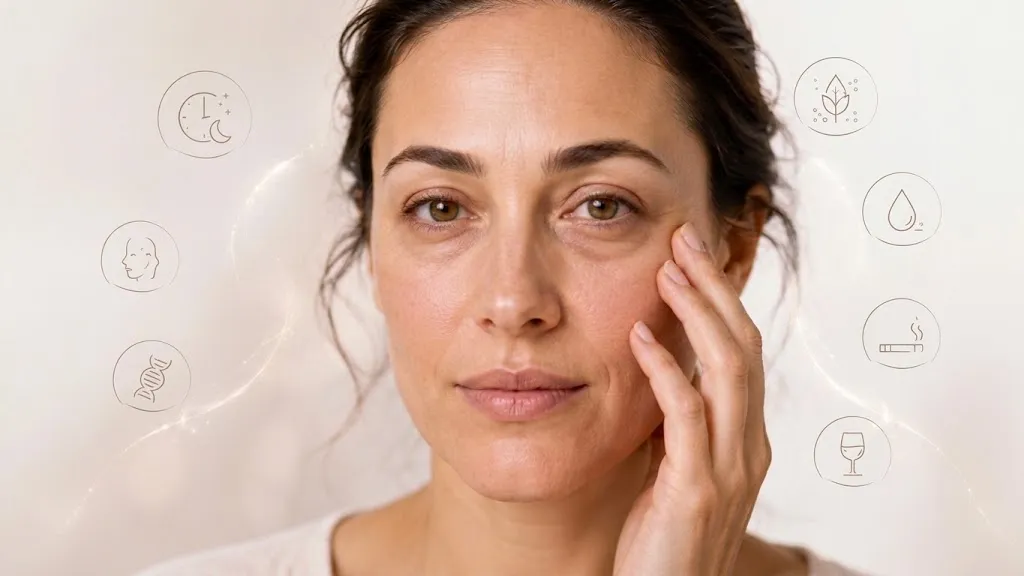
So, what causes eye bags? Common factors include ageing, genetics, fluid retention, lack of sleep, allergies and lifestyle habits such as smoking or drinking alcohol. Some medical conditions can also cause swelling around the eyes.
Understanding the cause can help you tell temporary puffiness from persistent eye bags.
What Are Eye Bags?
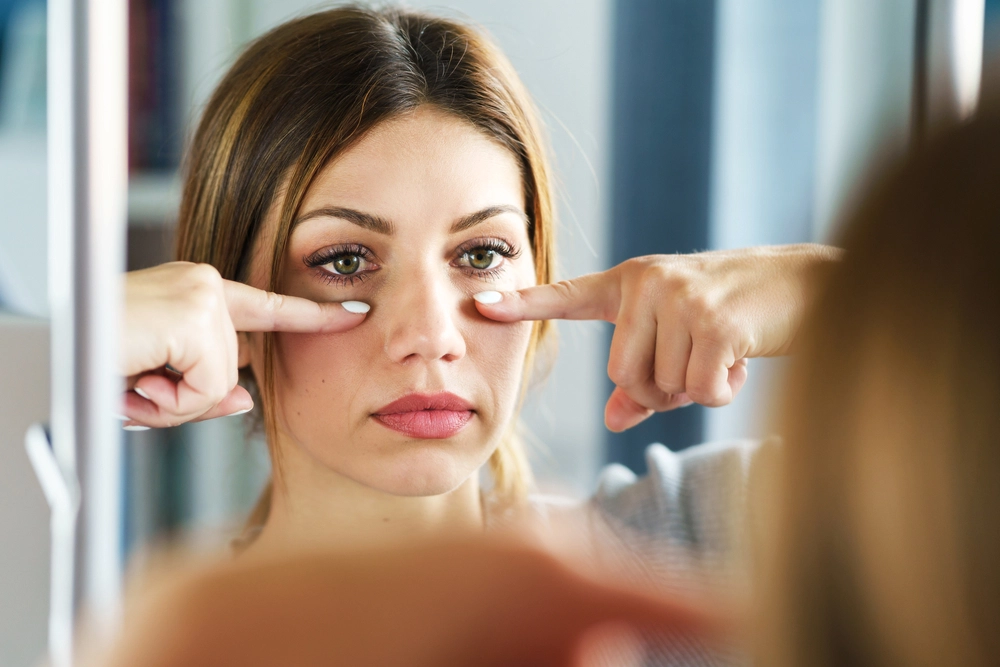
Eye bags are areas of mild swelling or puffiness below the lower eyelids. They can develop when the tissues supporting the eyes weaken, excess fat moves forward or fluid builds up beneath the eyes. Mayo Clinic notes that these changes become more common with age.
Eye bags are also different from dark circles. Dark circles may come from pigmentation, hyperpigmentation, visible blood vessels or natural shadows. Eye bags involve a change in volume or swelling, although both concerns can occur together.
Changes in skin firmness can also affect how noticeable bags look. Lumi’s guide to tightening skin under the eyes explains this in more detail.
What Causes Eye Bags?
Ageing and Changes Around the Eyes
Ageing is one of the main causes of persistent eye bags. Skin becomes thinner and less elastic over time, while the muscles and tissues supporting the eyelids weaken.
The National Institute on Aging explains that ageing skin becomes thinner and less elastic. Around the eyes, reduced firmness can make puffiness, wrinkles and loose skin easier to see.
Fat that normally supports the eye may also move forward into the lower eyelid. This excess fat can create a more permanent bulge rather than temporary swelling. Changes in collagen production can make the effect more noticeable.
Lumi also explains options for age related loss of firmness on its anti-ageing treatment page.
Genetics and Facial Structure
Genetics can affect whether you develop eye bags and how early they appear. Johns Hopkins Medicine identifies genetics as one of the common factors behind under-eye bags.
Your natural facial structure also matters. The shape of the eye socket, skin thickness and position of the fat around the eyes can make bags more visible. This is why some people develop persistent puffiness even when they sleep well and maintain healthy habits.
Fluid Retention and Salt
Fluid retention is a common reason for temporary puffy eyes. The loose tissue beneath the lower eyelids can collect fluid, creating swelling or edema.
High salt intake may make this worse because sodium encourages the body to retain water. Salty foods eaten in the evening can therefore contribute to morning puffiness.
Dehydration may also affect the appearance of the area. The American Academy of Ophthalmology lists dehydration, fluid retention and salty food among factors associated with under-eye bags. Maintaining normal hydration may help with temporary fluid related puffiness, but it cannot remove structural bags caused by ageing or genetics.
Lack of Sleep and Fatigue
Lack of sleep can make existing bags and dark circles look more noticeable. Sleep deprivation may leave the eye area looking dull, swollen or shadowed, creating the appearance of fatigue.
Stress may contribute indirectly if it regularly affects sleep quality. However, poor sleep does not usually cause the excess fat or weakened tissues associated with persistent eye bags.
Allergies and Eye Irritation
Allergies can cause swelling, itching and watery eyes. Healthdirect Australia notes that allergies are one possible cause of swollen or puffy eyes.
Pollen, dust, mould and animal dander are common triggers. Sinus issues linked with allergies may also make the eye area feel congested or swollen.
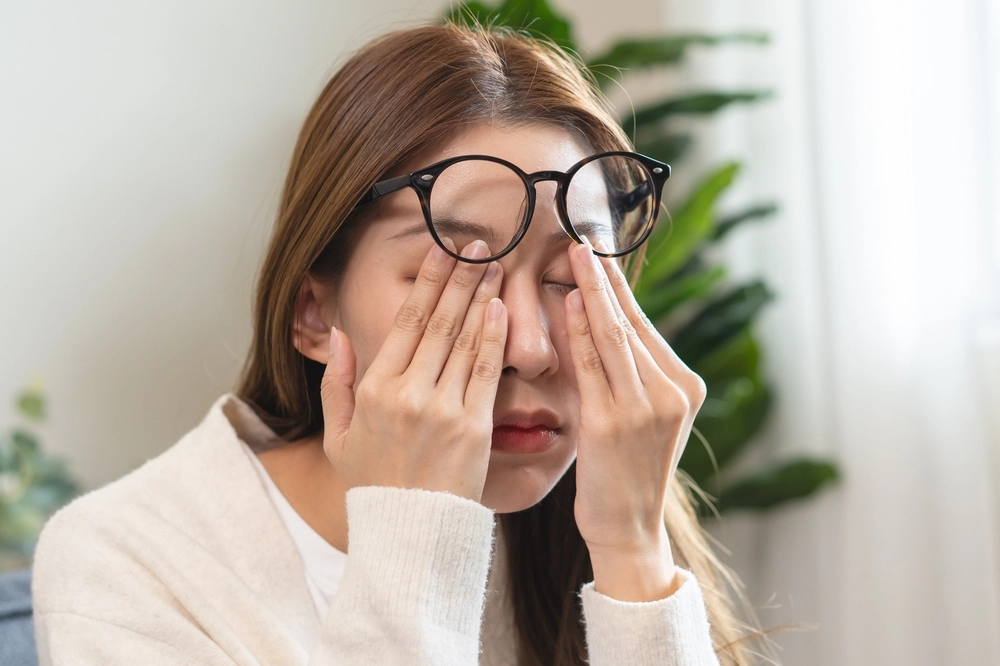
Rubbing itchy eyes can increase irritation. Antihistamines may help some allergy symptoms, but treatment should depend on the cause.
Smoking and Alcohol
Smoking can speed up visible skin ageing. Better Health Channel explains that cigarette smoking contributes to premature facial wrinkles and that collagen and elastin fibres reduce with age.
Alcohol can also make puffy eyes more noticeable, particularly when combined with dehydration, salty foods or poor sleep.
If loss of firmness is contributing to the appearance of the eye area, Lumi also offers information about its firming and lifting treatments.
Medical and Skin Conditions
Most eye bags are cosmetic, but medical conditions can sometimes cause or worsen swelling.
Dermatitis, thyroid disorders and some kidney conditions may affect the area around the eyes. Infections can also cause eyelid swelling, although this is different from typical cosmetic eye bags.
MedlinePlus explains that eyelid disorders can cause swelling, irritation, redness or changes in how the eyelids look and move.
Why Are Eye Bags Worse in the Morning?
Morning puffiness is often related to fluid buildup.
While you sleep, lying flat can allow fluid to collect in the soft tissues around the eyes. This can make bags look more pronounced when you first wake up. High salt intake, alcohol, crying, allergies and poor sleep may add to the effect.
If the puffiness gradually reduces after you get up and move around, fluid retention is more likely to be involved. Bags that stay relatively unchanged throughout the day are more likely to have a structural cause.
Temporary Puffiness vs Persistent Eye Bags
Temporary puffiness tends to come and go. It may appear after sleep deprivation, crying, allergies, hormonal changes, salty foods or alcohol.
A cold compress can sometimes help reduce temporary swelling. Caffeine is also found in some eye cream products because caffeine can temporarily constrict blood vessels and reduce the appearance of puffiness.
Persistent eye bags are different. They are more often linked with ageing, genetics, loose skin and changes in the fat beneath the eyes.
Products containing retinol, vitamin C, antioxidants or hyaluronic acid may support hydration or the appearance of the skin, but an eye cream cannot remove excess fat.
For a fuller discussion of home care and professional options, see Lumi’s guide on how to get rid of eye bags. Treatments discussed more broadly for persistent bags can include laser treatments, laser resurfacing, dermal fillers or eyelid surgery such as lower blepharoplasty, depending on the cause and individual needs.
When Should You See a Doctor About Eye Bags?
Eye bags are usually harmless. However, new or unusual swelling should not automatically be treated as a cosmetic concern.
The NHS advises seeking medical advice for symptoms such as a red, hot or painful eyelid, sudden changes, or problems with vision.
See a doctor, optometrist or ophthalmologist if swelling is persistent, affects only one eye, becomes painful or is accompanied by marked redness, discharge, headaches or changes in vision. These symptoms may point to allergies, infections or another health condition.
Understanding What Causes Your Eye Bags
Eye bags rarely have just one cause. Ageing and genetics tend to play a larger role in persistent bags, while fluid retention, sleep, allergies, salt intake, smoking and alcohol can make puffiness worse.
Pay attention to when the swelling appears and whether it changes during the day. That pattern can help indicate whether the concern is temporary or structural.
If your eye bags remain noticeable and you would like professional advice, Lumi Skin Clinics offers consultations for eye bag removal to assess your concerns and discuss suitable treatment options.