TL;DR: IPL facial treatment may improve the appearance of certain sun-related brown spots, freckles, facial redness and visible small blood vessels. Before-and-after changes are not always immediate: mild redness or swelling can occur first, and treated pigmentation may temporarily darken before fading. Results depend on the skin concern, skin tone, treatment settings and number of sessions. IPL is not suitable for everyone, particularly after recent tanning. A proper assessment, realistic expectations and careful aftercare matter more than any single before-and-after photograph.
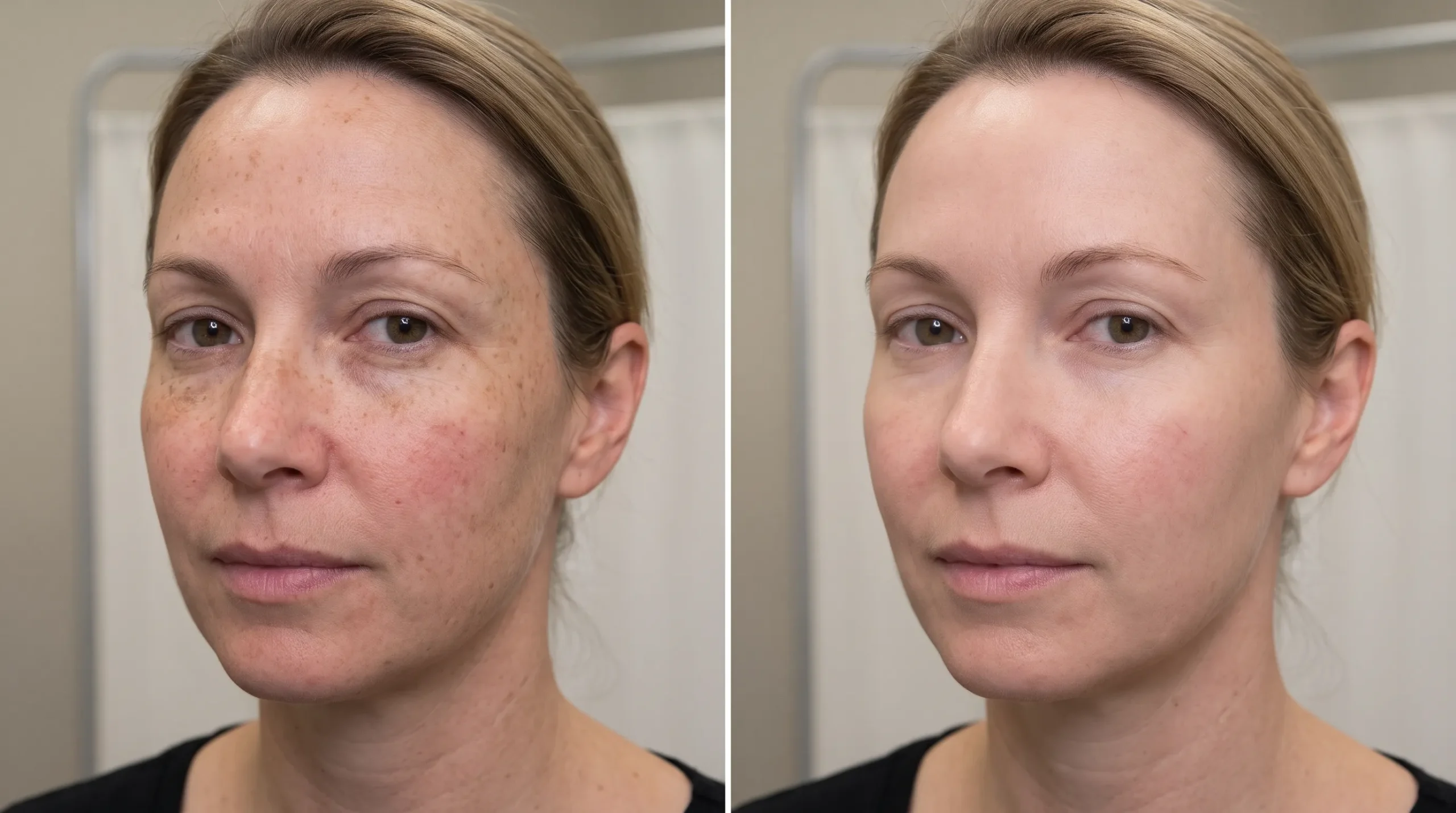
Looking at IPL facial before and after photographs can help you understand what skin rejuvenation might achieve. But photos rarely show the full story: what the skin looked like on the day of treatment, how long recovery took or how many appointments were involved. Knowing that timeline can help you decide whether IPL is worth discussing with a qualified practitioner.
What is an IPL facial?
IPL stands for intense pulsed light. Unlike a laser, which uses a more narrowly defined wavelength of light, IPL delivers pulses of light across a range of wavelengths. With suitable settings, the light can target certain superficial pigmentation and blood vessels. It is often used for skin concerns associated with sun exposure, uneven tone and facial redness.
An IPL facial is different from IPL hair removal, even though both use intense pulsed light. The treatment settings, intended outcomes and suitability assessment differ. DermNet’s guide to intense pulsed light therapy explains how the technology is used and why side effects can occur.
Lumi Skin Clinics offers IPL Rejuvenation using a Stellar M22 platform. Its service page discusses pigmentation and redness and includes a before-and-after gallery. The photographs illustrate individual experiences, not a result everyone should expect.
What can IPL facial before-and-after results show?
Changes depend on the underlying skin concern. For some suitable patients, photographs taken after healing may show less visible superficial pigmentation or reduced facial redness. Other people may notice only a subtle change, require additional sessions or be advised to consider another treatment.
Brown spots and uneven skin tone
Some superficial sun-related pigmentation can respond to IPL. Treated spots may look darker at first, then shed or fade as the skin recovers. Deeper pigmentation and conditions such as melasma need a different assessment; an apparent brown mark should not automatically be treated as harmless sun damage. For broader context, read Lumi’s guide to uneven skin tone.
Facial redness and visible vessels
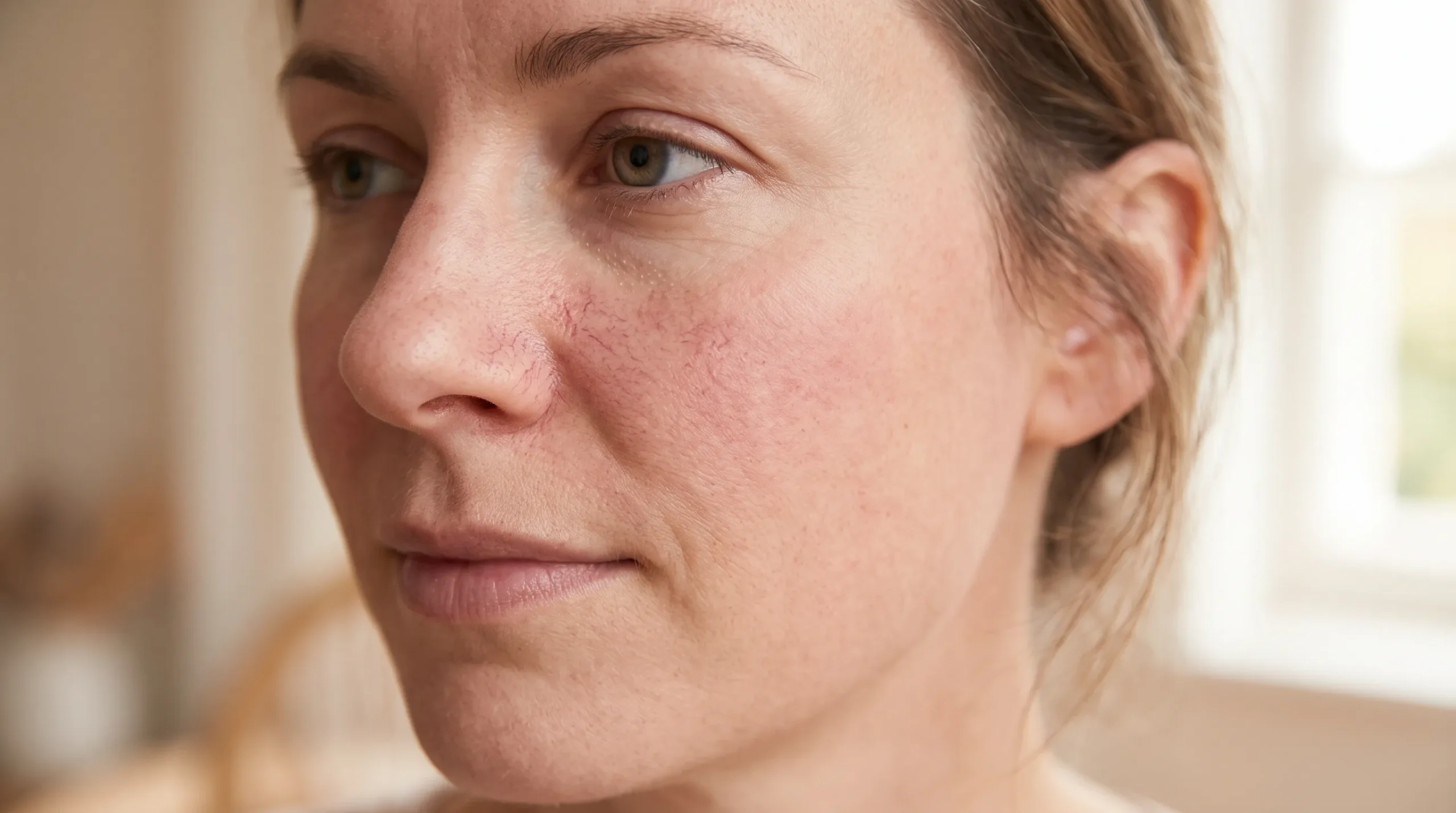
IPL may reduce certain small visible vessels and diffuse redness, but results differ by diagnosis. Rosacea is a long-term condition, and a light-based procedure does not replace medical management when that is needed. Lumi also has a separate Laser Redness service page for readers exploring redness-specific treatment options.
Texture, pores and fine lines
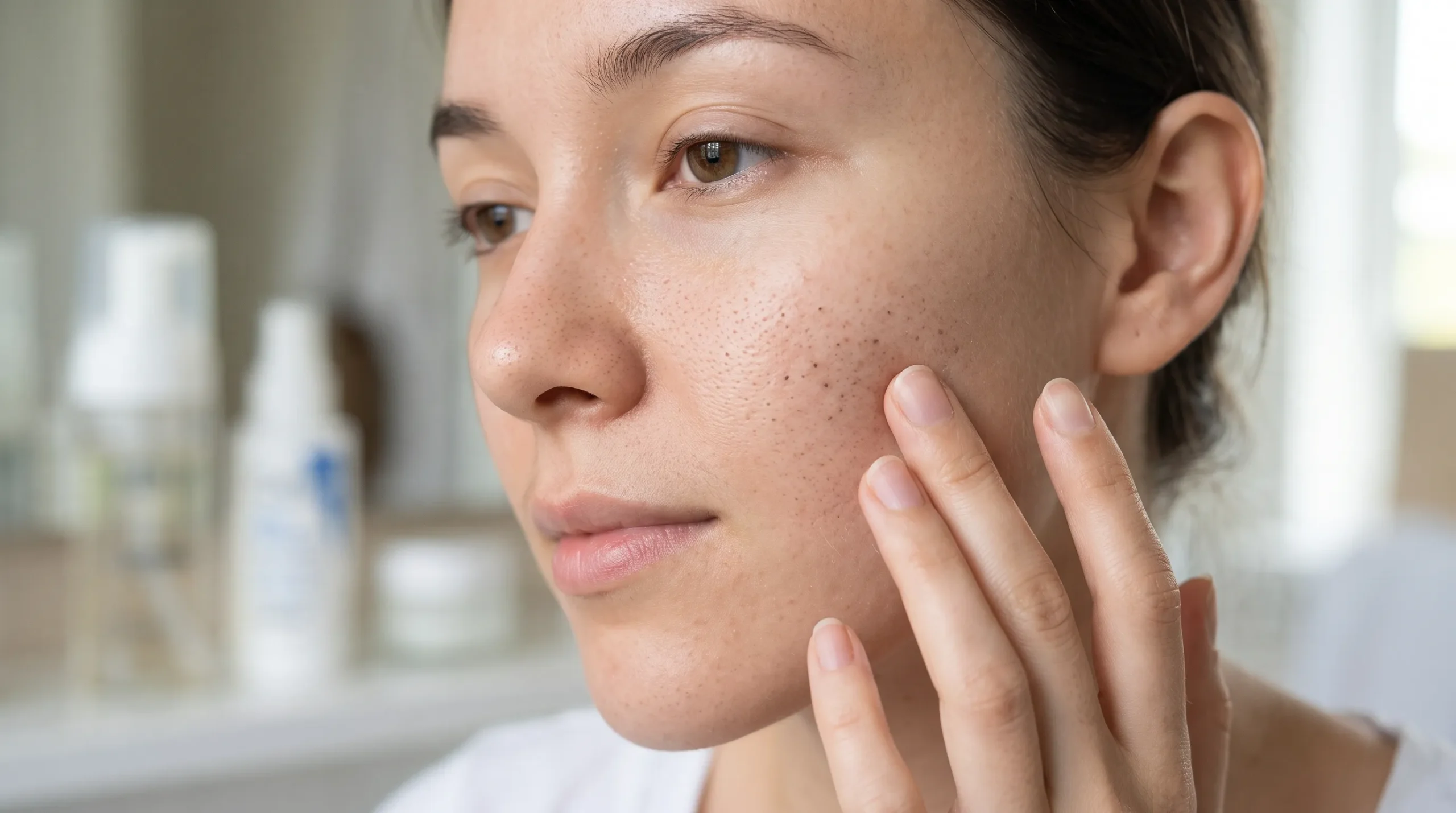
Some people pursue IPL for a more even-looking complexion. However, dramatic pore reduction, wrinkle removal or permanent skin tightening should not be assumed from photographs. Ask the practitioner which concerns the proposed treatment can realistically address and which may require a different approach.
IPL facial recovery: what happens after treatment?
Recovery is not identical for everyone. This general timeline describes possible changes rather than a promise about how your skin will react.
| Stage | What you might notice | What it means |
| Immediately afterwards | Warmth, temporary pinkness, tenderness or mild swelling | Common short-term responses, but discomfort should be discussed with the practitioner |
| First few days | Redness settles; some brown spots become more obvious | Temporary darkening can occur when superficial pigment is targeted |
| Following days to weeks | Darkened areas may gradually flake or fade; the overall appearance becomes easier to assess | Do not pick at darkened or crusted areas |
| After the recommended treatment course | Changes may become clearer across sessions | Final results, repeat sessions and maintenance needs vary |
The timeline is consistent with general information from UT Southwestern Medical Center on IPL photofacials. Significant pain, blistering or worsening symptoms are not changes to ignore.
How many IPL facial sessions are needed?
There is no universal number. The required treatment course depends on what is being treated, the device settings, skin response and the practitioner’s assessment. One session may produce a visible change, while other concerns require several appointments or do not respond sufficiently to continue.
Lumi’s current IPL treatment information describes a suggested course of four to six sessions, around four weeks apart. That is the clinic’s general service guidance, not an individual prescription or a guarantee. Ask what improvement would justify continuing and what total cost and recovery time to expect.
Who should be especially cautious about IPL?
A consultation is important because IPL carries risks as well as possible benefits. Recent tanning or sunburn can increase burn risk, and skin with more natural pigment may have a greater risk of unwanted colour changes with unsuitable settings. Your practitioner needs to know about medical conditions, medicines, supplements, previous reactions to light and recent sun exposure.
The Australian Radiation Protection and Nuclear Safety Agency (ARPANSA) advises consumers to discuss these factors with the treatment provider. Possible complications include burns, blistering, lighter or darker patches, infection, scarring and eye injury if suitable protection is not used.
Do not treat a changing mole, unexplained spot or suspicious pigmented lesion as a cosmetic concern first. Cancer Council Australia recommends seeing a doctor for new or changing spots. A GP or dermatologist should assess questionable lesions before light-based treatment.
How to prepare for an IPL facial
Before booking or proceeding, ask for an assessment that covers your skin type, exact concern, expected benefits, risks and alternatives. Tell the practitioner about current skincare, relevant prescriptions, photosensitivity and any recent tanning, including self-tanning products.
Follow the clinic’s preparation instructions rather than stopping prescribed medicines on your own. A patch test may be recommended in some circumstances. Ask whether your work, events or travel plans allow time for temporary redness or visible darkening of pigment.
If your primary concern is an unusual dark patch, you can also review Lumi’s Pigmentation Removal service information, but the correct diagnosis should come before choosing a device.
IPL facial aftercare: how to look after your skin
Your treating practitioner should give you instructions for your particular procedure. General precautions may include:
- Cleanse gently and use a suitable moisturiser if recommended.
- Avoid scratching, peeling or picking at darkened spots or flaking skin.
- Avoid unnecessary heat and intense sun exposure while the area is recovering, according to your provider’s advice.
- Check before resuming strong exfoliating acids, retinoids or other potentially irritating products.
- Use sun protection appropriate for healing skin and ask for guidance if the area is blistered or broken.
In Australia, Cancer Council recommends broad-spectrum, water-resistant SPF 50 or SPF 50+ sunscreen, plus a broad-brimmed hat, shade and other protection when the UV Index is 3 or above. Sun protection helps reduce further UV damage; it does not guarantee that pigment or redness will never recur.
How to assess IPL before-and-after photographs fairly
A convincing picture is not necessarily a reliable comparison. When viewing any clinic gallery, check whether the lighting, camera angle, distance, facial expression and make-up are consistent. Look for information about the number of sessions and when the after photograph was taken. An immediate post-treatment picture is not the same as a photograph taken after full recovery.
Australian Ahpra advertising guidance warns that misleading, edited or inconsistent before-and-after images can create unreasonable expectations when advertising regulated health services. Ask whether the images are genuine, whether the person consented to their use and whether the outcome shown is typical or exceptional. Rules can vary according to the type of service and practitioner.
You can view the examples currently displayed on Lumi’s IPL service page, but the suitability of those results for your own skin can only be discussed in a personalised consultation.
When to seek medical advice after IPL
Contact the treating clinic promptly if you have unexpected or increasing pain, significant blistering, spreading redness or other concerning changes. Seek urgent medical assessment for severe symptoms, eye pain or visual changes. Do not attempt to treat suspected burns with harsh skincare or additional cosmetic procedures.
If a pigmented spot changes unexpectedly, arrange an assessment with a GP or dermatologist rather than assuming it is a routine post-IPL reaction.
Conclusion: Focus on realistic IPL results, not just photographs
IPL facial before-and-after results can be informative, but they do not show everything about recovery, safety or the number of sessions needed. Temporary redness and darkening of pigmented spots may occur before any improvement becomes visible, and not every person or skin concern is suitable for IPL.
To discuss whether this approach fits your concerns, explore Lumi Skin Clinics’ treatment options or contact its Haymarket, Sydney clinic for a suitability consultation. Ask about alternatives and expected recovery before making a decision.
Disclaimer: The above content is for general informational purposes only and does not constitute medical advice. It is not intended to diagnose, treat, cure, or prevent any condition. Information may change over time. Please consult a qualified healthcare professional before making any health or treatment decisions.